The Power Of Branding
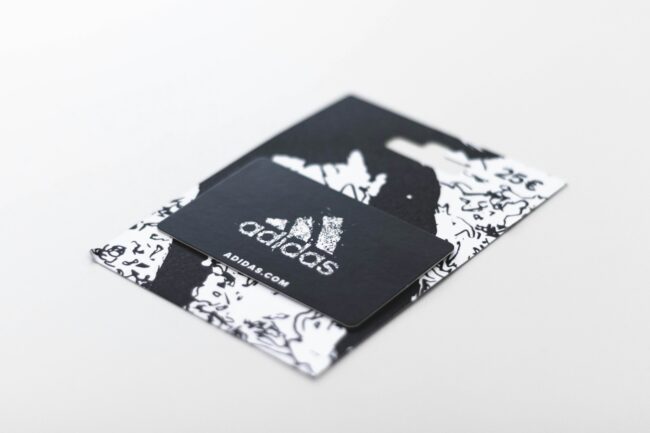
The power of branding is everywhere. There’s no escaping the influence brands exert over their products, and we’ve grown up surrounded by brand names for years.
From a very early age, I can remember seeing brand names in the shops, although I never fully understood what they meant as a child or paid much attention to how the industry worked regarding branded names.
Over the years, ‘flash’ labels and the impressions they create have influenced how we see ourselves when others see us wearing or using brand names.


This article is part of a fragrance blog I built myself — I’ll explain how at the end if you’re curious.
There are many reasons why people buy brand names. Understanding the motives behind these reasons helps businesses make product decisions. Creating and developing a store layout and promoting a business are integral to any business. Let’s look in-depth at some of the reasons behind buying brand names.
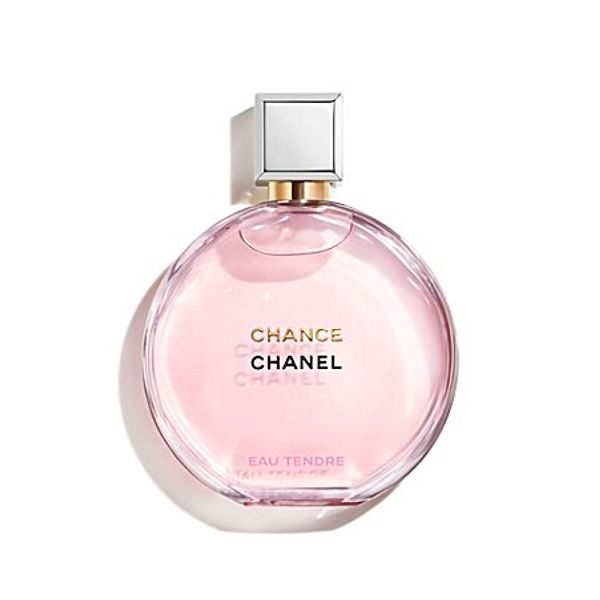
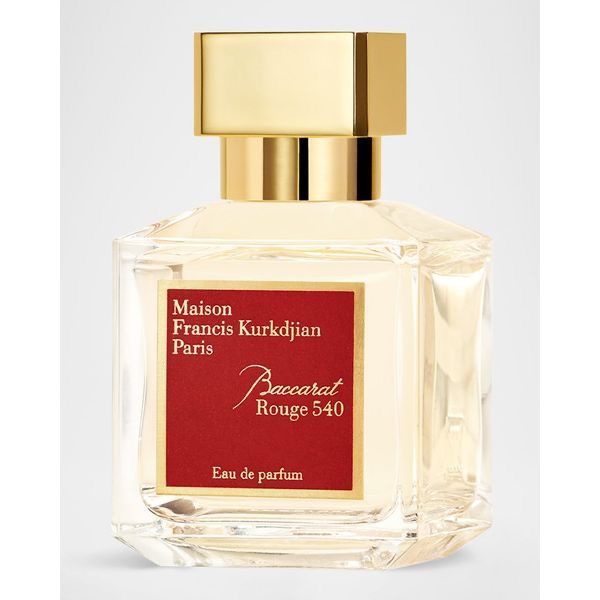
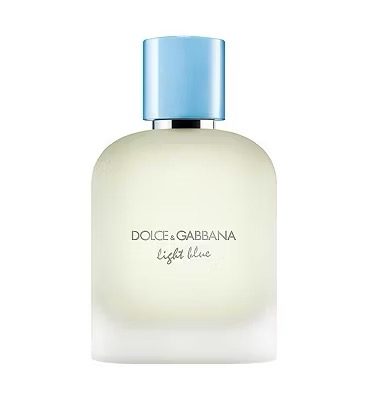
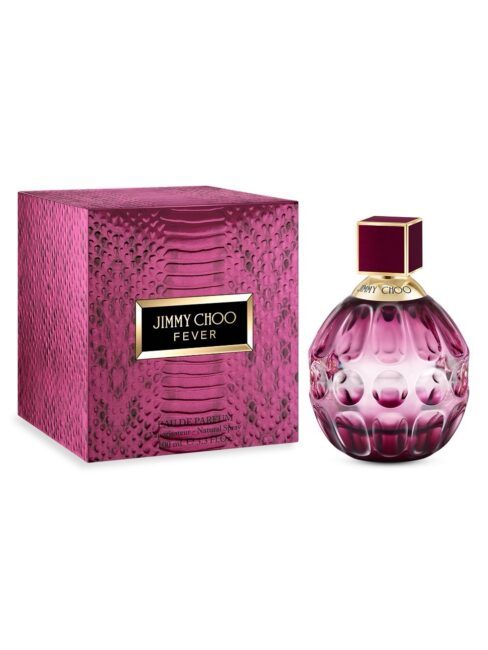
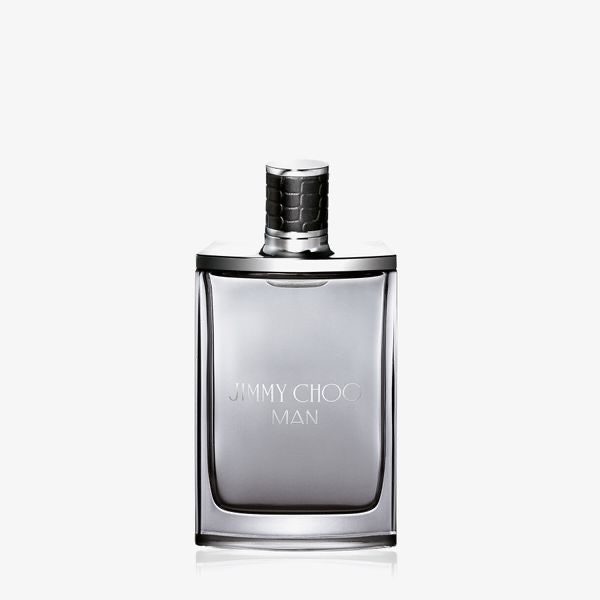
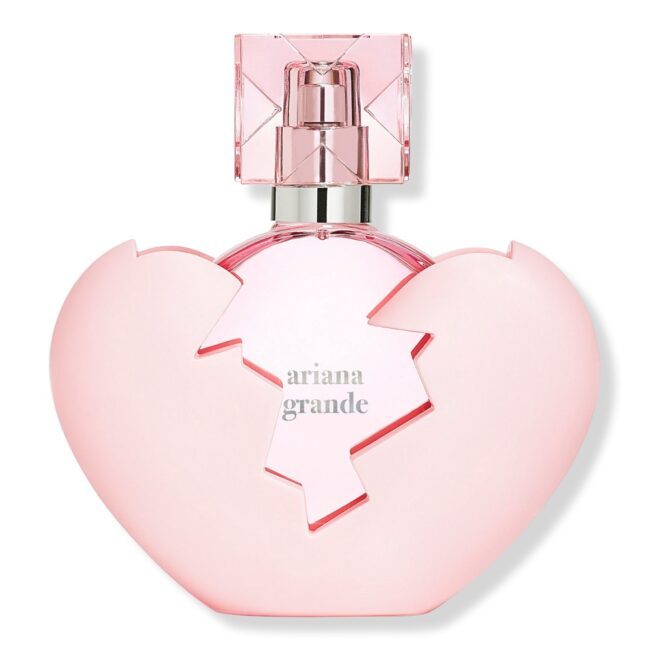
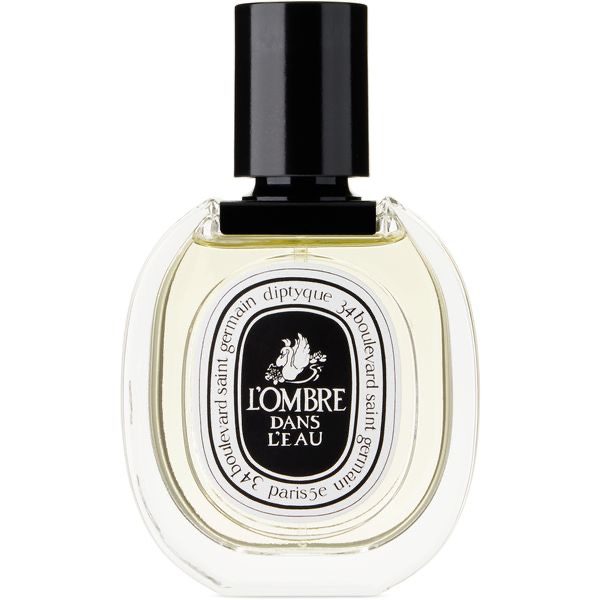
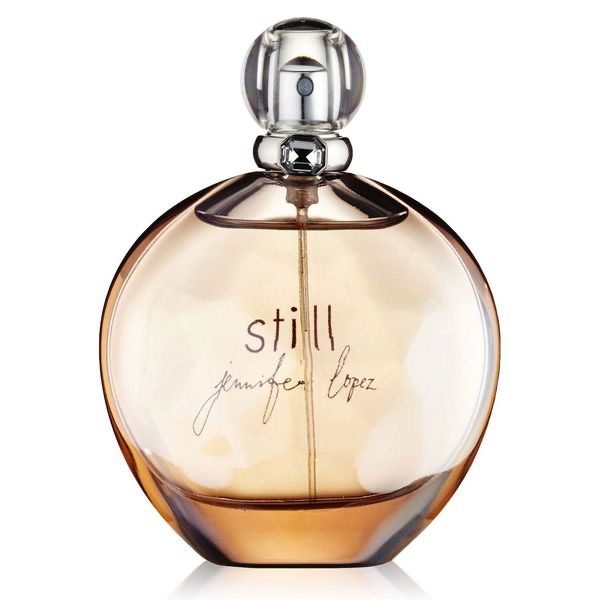
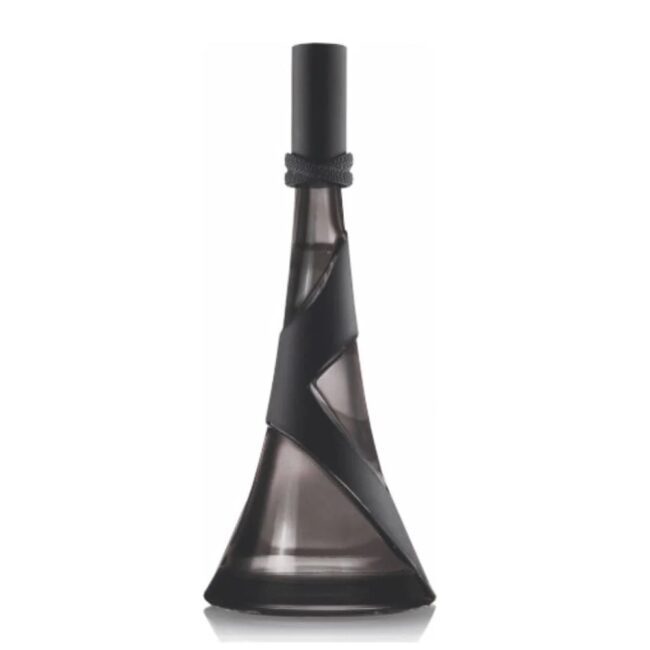
Designer fragrances are a perfect example of how branding influences perception and status. From elegant bottles to instantly recognisable names, brands create a sense of luxury that goes beyond the scent itself. If you’re exploring this further, take a look at my guides to designer women’s fragrances and men’s designer fragrances to see how branding shapes some of the most popular scents on the market.
Related Article: Tom Ford Perfume
The power of branding
Good product quality often means it can withstand wear and tear and is generally a good investment.
We have customer Satisfaction. High-quality products or services meet or exceed customer expectations, resulting in greater satisfaction. When customers are satisfied with their purchase, they are more likely to become repeat customers and recommend the product or service to others, which benefits any business.
Reputation and brand image: Consistently delivering high-quality products or services helps build a strong reputation and a positive brand image. A company known for its quality builds trust and is more reliable and credible. This reputation can give a business a competitive advantage, attract new customers, and retain existing ones.
We all love value for money and good-quality products or services that provide just that. Customers are willing to pay a premium price for high-quality items because they expect them to last longer and perform better.
Investing in quality can lead to long-term cost savings for customers, as they are less likely to encounter issues or need frequent replacements or repairs. There is also less time wasted replacing or exchanging items that do not fit their purpose.
Customer loyalty is vital. When customers consistently receive high-quality products or services, they are more likely to develop brand loyalty. Having repeat customers contributes hugely to a business’s revenue and profitability.
Loyal customers often become brand advocates, promoting the business through word-of-mouth recommendations and positive reviews.
All companies aim to reduce returns and offer high-quality products or services to minimise customer issues.
In competitive markets, sound quality can differentiate a business from its competitors. When a company consistently delivers high-quality services and goods, it stands out and becomes a preferred choice for customers. This differentiation can help businesses attract new customers and gain a competitive edge.
In some industries, maintaining good quality is necessary to comply with regulations and standards. Industries such as healthcare, food, and pharmaceuticals have strict quality requirements to ensure the safety and well-being of consumers. Meeting these quality standards is a legal obligation and a moral responsibility.
Related Article: Affordable perfumes That Smell Expensive
Trusted companies that sell branded
We prefer to buy from companies we know and trust because they offer a sense of safety, professionalism, reliability, and a quality guarantee. This comfort makes us more likely to return as customers. Building trust is essential for any business, whether selling a product or providing a service. We believe we won’t be disappointed or left with a faulty product, as well-known companies usually maintain high standards of customer service.
Peace of mind when buying branded
When we make a large purchase from well-known companies, we gain peace of mind. If anything goes wrong with the product, we trust the company will promptly address our issues. Caring for their customers is crucial for these companies, as it protects their reputation and serves their best interests.
Less decision-making
We seem less hesitant to buy from branded companies. There’s a sense of safety, and we seem to have fewer doubts when we’re considering a purchase. Unknown brands often lead us to search the internet for more information before purchasing to ensure we won’t be disappointed.
Added value
Perhaps it’s a myth that we get more for our money when we purchase brand names. Products appear to be of better quality, and the brand companies know they have an image and reputation to uphold. Customer satisfaction will always equal repeat sales and customer visits, whether online or in-store.
An expression of who we are -branded products
When we think of individuality, the younger generation often springs to mind. Children grow up wanting designer brands, but have no idea what they are when they are so tiny.
As they grow up, social media, TV advertising and daily chats with friends have led our children to learn about designer products from a young age.
They learn that they are more accepted by others when they are wearing a designer brand. Some may have been introduced to designer clothing and footwear as youngsters because their parents felt influenced or pressured to keep up with other parents, and therefore bought the latest clothes, shoes, etc., from high-end shops.
Loyalty with branding
Some shoppers may feel loyalty to a company or business when they buy brand-name products and therefore won’t shop elsewhere. They have built up trust and perhaps fear that, by shopping elsewhere, their shopping experience may be disappointing.
Image and branding
When people have a design that fits in at school, the workplace, or socially, they often buy band names because they believe it will help them gain greater social acceptance, especially in fashion. In fast fashion, youngsters especially feel pressure to keep up with the latest designs and styles. Attractive and, for many of us, possibly unknown, it can also be a psychological need.
We all send out particular messages to others. For example, if we buy a £200 handbag knowing we can get a cheaper one for £20, the more expensive option shows importance. Others may notice the brand name, and we instantly feel more accepted and feel we deserve a more expensive item.
As consumers, we aim to be influenced and accepted, and the more expensive the handbag we feel, the more popular it will be with others. It may also be an opportunity to show that we have the money to purchase an expensive item.
Youngsters and branded products
Teenagers buy expensive, labelled clothing, but not because they can afford it. It comes down to feeling accepted by others and fitting in. People want to portray a particular image, a greater social acceptance. It’s almost like ‘keeping up with the Joneses’. Over the years, we have become more accepting of buying non-designer and branded items.
When someone asks where we bought our jacket/tee shirt or shoes, we’re more likely to be proud of saying that we purchased it from Asda, Matalan, or M&S, with the added comment, “It only cost me £20/30….bargain. “
As we grow up, buying brand names becomes less necessary, and we are happy to buy a cheaper item and save money for other things.
How This Blog Was Created
Fragrances With Love started as a personal hobby — sharing my love of perfume, affordable finds, and fragrance trends. I didn’t start with a background in websites, marketing, or blogging.
This site was built by writing about something I genuinely enjoy. I use one platform to host my website, write my blog posts, and learn how to monetise content step by step, all in one place.
If you enjoy writing and have ever thought about starting a blog around something you love, you can see the platform I used to create this site below.
How I Created Fragrances With Love
Why Branding Influences Status
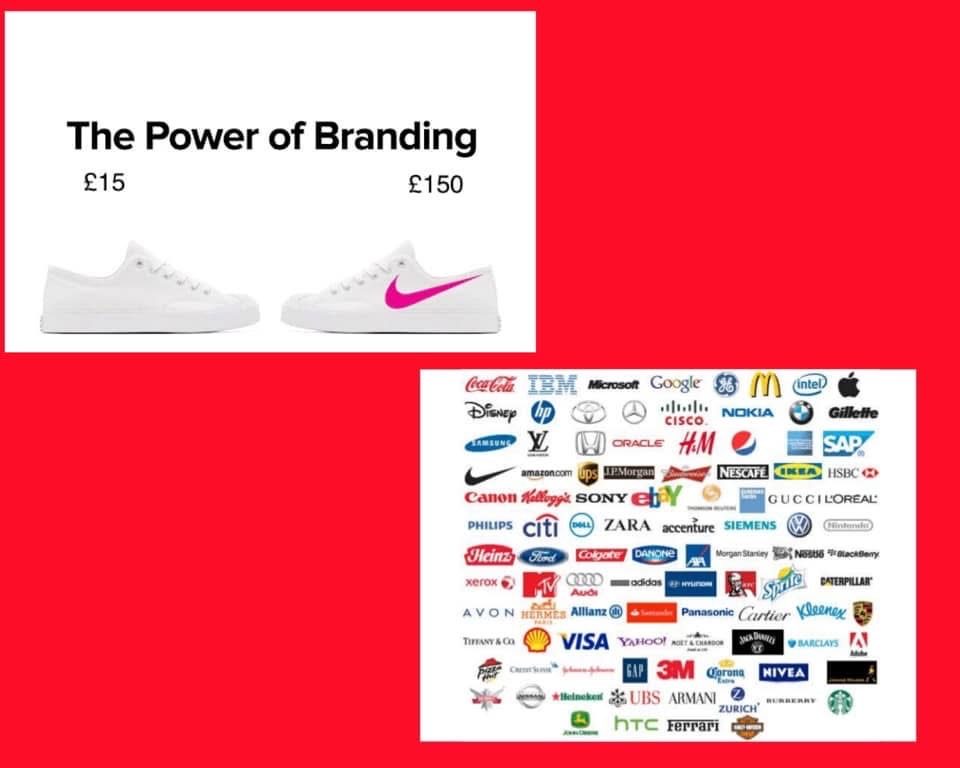
For many brands, you are simply buying the name and the status it carries. The next time you purchase a coffee from Starbucks, a pair of Nike trainers or a bottle of high-end designer fragrance, think of the smaller companies that sell similar products. Many will have the same quality as the expensive brands without an extravagant price tag.
Understanding what branding really means is key to building trust and recognition, as explained in this guide on what branding is and why it matters.
Being unique doesn’t have to cost a fortune
Conclusion
In today’s competitive market, brands cannot underestimate the power of branding. Consumers are constantly bombarded with products and choices, making it challenging for brands to capture attention and build loyalty.
However, effective branding strategies can cut through the noise and create a lasting impact on consumers.
Through consistent messaging, compelling storytelling, and a well-defined brand identity, companies can differentiate themselves from competitors and build a strong emotional connection with their target audience.
Branding goes beyond just the logo and tagline; it encompasses every touchpoint a consumer has with the brand, including product packaging, customer service, and the company’s values and mission.
A strong brand not only helps attract new customers but also cultivates brand loyalty among existing ones. Consumers often seek familiarity, reliability, and trust when making purchasing decisions, and a well-established brand can provide them with that assurance.
When a brand consistently delivers on its promises and exceeds customer expectations, it builds credibility and encourages long-term relationships.
Besides, branding can create responsible value for a company. A well-known and respected brand can command premium prices for its products or services, making it more resilient to price fluctuations and economic declines.
It also opens up opportunities for brand extensions and partnerships, expanding the brand’s reach and influence.
In today’s digital age, where social media and online platforms play a significant role in building consumer awareness, branding has become even more crucial. Brands must adapt to an ever-changing landscape and engage consumers through authentic, meaningful interactions.
Successful branding in the digital era requires agility, creativity, and the ability to harness technology’s power to deliver personalised experiences.
Related Article: Fm World perfume reviews
Sign up for our monthly newsletter to receive the latest blogs in the perfume industry, current trends, and information on where to buy samples of your favourite perfumes.
You may also like:
- Compliment Perfume For Women
- Perfume Strength Explained
- Jimmy Choo Perfume
- Best Burberry Perfume For Women
- Citrus Perfume For Women