Natural vs Synthetic Fragrances
Walk into any fragrance shop and “natural” does a lot of work. It suggests purer, safer, more honest. Synthetic sounds like a lab, a shortcut, something you would tolerate rather than choose. If you are deciding what to buy, that framing deserves a closer look, because the real picture is more useful than a winner and a loser.

This article is part of a fragrance blog I built myself — I’ll explain how at the end if you’re curious.
Why “Natural” Sounds Better, and Where That Idea Gets Complicated
The appeal is easy to understand. A rose, a stick of sandalwood and a vanilla pod are things you can picture. A name like “hydroxycitronellal” is not. People reasonably trust what they recognise.
The complication is that “natural” and “synthetic” describe where an ingredient comes from, not how it behaves. Natural materials contain many chemical compounds, and some are well-known skin allergens. Citrus oils, lavender and oakmoss all fall into this group. Synthetic ingredients are made from single, defined molecules, which can make them easier to test, standardise and sometimes leave out when a shopper reacts to them.
The other complication is that most fragrances are neither. A typical perfume, candle or room spray blends natural extracts with synthetic aroma molecules. The label “natural fragrance” can mean everything from a fully botanical formula to a blend with a small natural share. So the useful question is what a particular product does well, and whether that matches what you want from it.
What Natural Fragrance Ingredients Really Offer: Depth, Character and Variation
Natural materials such as essential oils, absolutes, resins and balsams are complex. A single jasmine absolute contains many aroma compounds, and together they produce a scent that shifts and has unexpected edges: a little fruity, a little animalic, a little green. Many perfume lovers find that this complexity is what they are buying.
Variation is part of the same package. Growing conditions, harvest timing and distillation method all affect the final oil. Two batches of the same ingredient can smell slightly different, which is why some people love naturals, and some find them unpredictable.
Related Article: Phycology of Perfume
Naturals tend to shine in these areas:
- Rich, textured heart notes, such as rose, jasmine, iris and tuberose
- Woods and resins, such as frankincense, myrrh, cedar and sandalwood, which have a depth that is hard to mimic
- Citrus oils, which smell juicy and fresh, though they fade quickly
- A sense of craft, as small-batch and indie perfumers often like to work with them
The trade-offs are real too. Natural ingredients can be expensive, supply can be limited, and some smell different from season to season. A fragrance built only on naturals may also have a narrower range of scents than one that uses both.
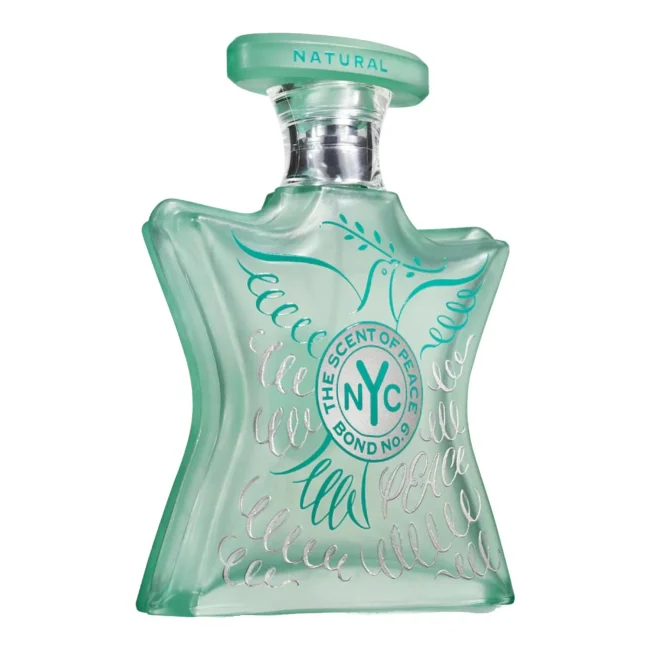
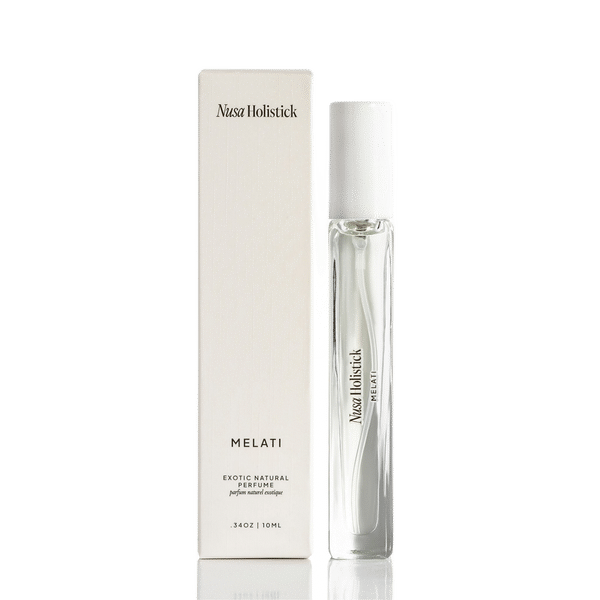
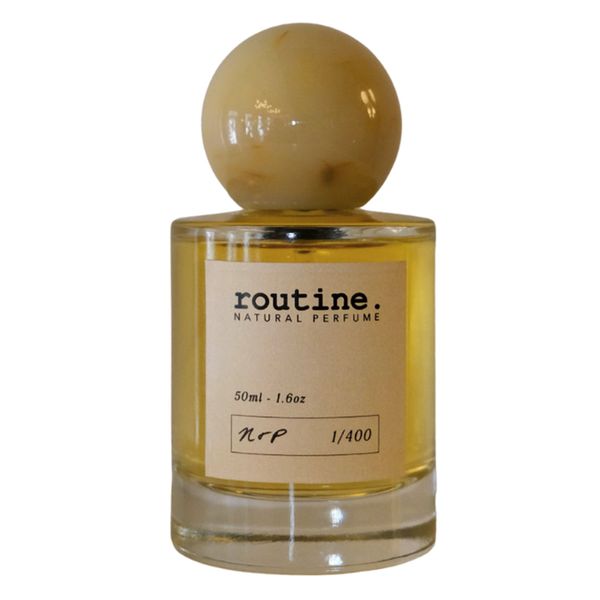
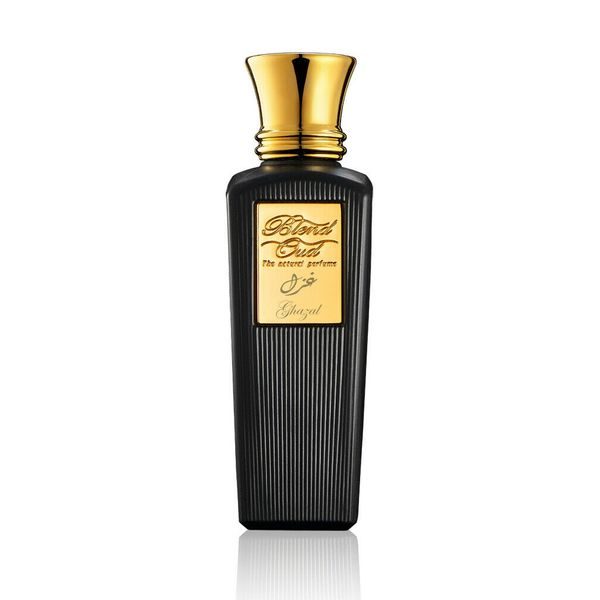
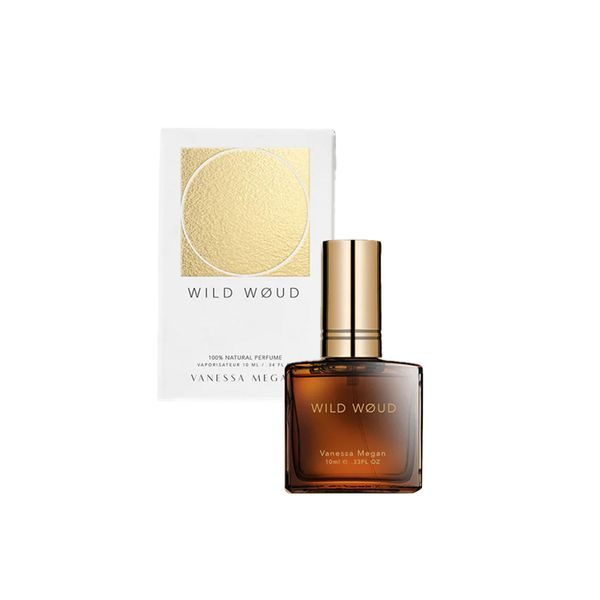
If you love nature-inspired fragrances, you’ll find a lovely collection of natural fragrances available through my ShopMy account. Whether you prefer fresh, floral, woody, or earthy scents, you’ll find options to explore and discover something that suits your personal taste. Browse my collection and find your next favourite fragrance!
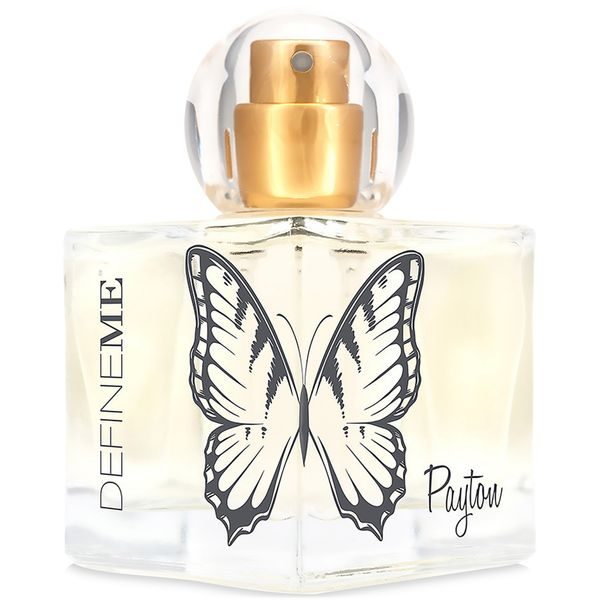
What Synthetics Do That Nature Can’t: Consistency, New Scents and Ethical Sourcing Options
Synthetic aroma molecules are not just cheaper copies. They do things that natural materials cannot.
Scents that cannot be extracted. Flowers such as lily of the valley, lilac, and gardenia don’t give up their fragrance in a usable oil. Anything that smells like them in a bottle is built from synthetic ingredients. The same goes for the clean, ozonic “fresh laundry” and “sea air” accords, and for many of the modern woody, musky and amber effects people now love.
Related Article: Aquatic perfume for Women
Consistency. A synthetic molecule smells the same from one batch to the next. For a perfume house that wants a bottle bought in March to match one bought in November, that matters. It also matters to you if you have found a scent you want to repurchase.
Sourcing options. Some natural materials are under pressure from overharvesting, and some, such as traditional animal-derived musk, raise ethical objections. Synthetic versions let a perfumer create a similar effect without depending on a scarce plant or an animal. That doesn’t make every synthetic ingredient ethical, since manufacturing raises its own environmental questions, but the choice isn’t simply natural equals kind and synthetic equals harmful.
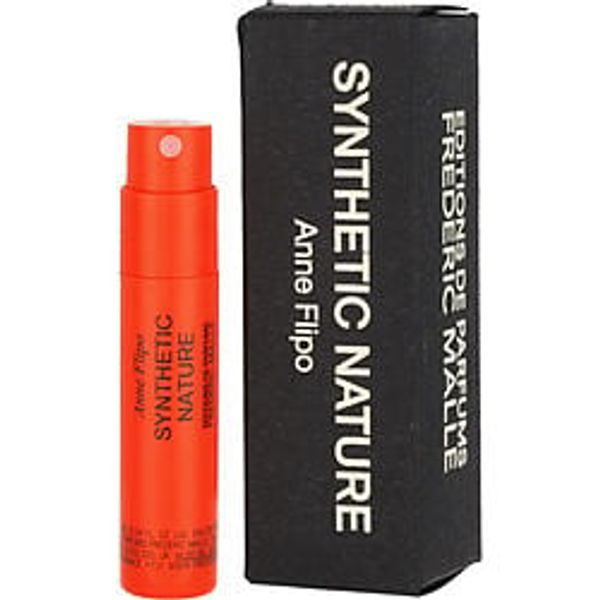
Synthetic Natural Eau de Parfum Spray Vial
Sensitive Noses, Allergies and Headaches: What to Know About Both
This is where the “natural is gentler” idea is most worth questioning. A reaction depends on the specific compound and on your own body, not on whether it was grown or made.
Natural extracts are mixtures, so they can contain several compounds that trigger sensitivity at once. Some well-known fragrance allergens occur naturally in essential oils, and regulations in many regions require listing certain ones on labels when they exceed a threshold. Synthetic fragrance can also cause reactions, and a blend labelled only “fragrance” or “parfum” does not tell you which molecules are inside.
Headaches and breathing discomfort add another layer. Strength, how much product is used and how well a room is ventilated often matter as much as the ingredients. If breathing is your main concern, my guide to the best perfume for people living with asthma goes into what to look for in more detail.
Some practical habits help whichever side you lean towards:
- Test one product at a time, on skin, and wait before deciding
- Note which ingredients appear in the products you have reacted to
- Choose a lighter concentration if strong scents trigger you
- Use a small amount in the home rather than lighting or spraying several products together
Staying Power and Cost: How Each Tends to Behave on Skin and in the Room
Longevity is one area where the two sides differ, with the usual caveat that individual products vary.
Many natural materials, particularly citrus oils and delicate florals, evaporate quickly. Resins and woods last longer. Many synthetic molecules, including modern musks and amber-woody compounds, are designed to cling to skin and fabric and project into the air. That is why a perfume with a strong synthetic base can still be detectable hours later, while a delicate natural one may need re-applying. If your perfume fades faster than you would like, why your perfume doesn’t last covers the other factors, from skin type to how you apply it.
On cost, the picture is mixed. Some natural ingredients are among the most expensive materials a perfumer can buy, particularly rare florals and quality oud, and that shows up in price. But synthetic does not automatically mean cheap. A well-made fragrance is priced for the brand, the concentration, the packaging and the composition, not only the raw materials. Instead of assuming price tells you which type you are getting, look at what the product is made of and how it performs for you.
Related Article: Best Oud Perfume For Women
How the Choice Plays Out in Candles, Incense and Home Fragrance, Not Just Perfume
Candles, incense and room scents follow the same principles, with a few differences worth knowing.
Candles. Two separate things determine a candle: the wax (paraffin, soy, beeswax and others) and the scent. A natural wax does not make the fragrance natural, and the reverse is also true. Essential oils can be used in candles, but heat changes how they smell, and some produce a weaker scent throw than purpose-made fragrance oils. Many candles that fill a room well use fragrance oils, which may be fully synthetic or a blend. If you want to browse by season, the best autumn candle scents are a good place to start.
Incense. Traditional incense is made from woods, resins, herbs and flowers, so it leans natural by design. Some sticks, however, are scented with fragrance oils instead of or alongside those materials, which affects both the aroma and how it burns. Burning anything produces smoke, which can bother people with sensitive airways, no matter the ingredients. I have found I need to be extra careful around incense sticks, as some odours are quite strong and can trigger my breathing.
Wax melts and room sprays. These are usually made with fragrance oils, and the main question is how strong the scent is and how much you need. Because there is no flame, a small amount in a well-ventilated room is a sensible way to try a new scent.
Related Article: Vegan Fragrances for Men
How This Blog Was Created
Fragrances With Love started as a personal hobby — sharing my love of perfume, affordable finds, and fragrance trends. I didn’t start with a background in websites, marketing, or blogging.
I built this site by writing about something I genuinely enjoy. I use one platform to host my website, write my blog posts, and learn how to monetise my content step by step, all in one place.
If you enjoy writing and have ever thought about starting a blog around something you love, you can see the platform I used to create this site below.
How I Created Fragrances With Love
How to Read a Label and Choose What Suits You
Labels vary a lot, and in many places a perfume does not have to list its full formula. Here is what you can do with the information you have.
Reading the label
- “Fragrance” or “parfum” is a catch-all term and does not tell you whether the contents are natural, synthetic or both
- Words like “essential oil” and “botanical” suggest natural materials, but check whether the whole product or only part of it is meant
- Marketing terms such as “clean” or “natural” are not always regulated, so look for the ingredient list rather than relying on the front of the pack
- Listed allergens are worth noting if you know you react to particular ones
Questions to ask before you buy
- What do I want most: depth and character, a scent that lasts, or something gentle?
- Have I reacted to a specific ingredient before, and is it in this product?
- Do I want to repurchase this fragrance, so batch consistency matters?
- For a candle or incense, is the claim about the wax or sticks, or about the scent itself?
- Can I try a sample or a small size first?
A reasonable way to think about it: choose naturals when you value complexity and are happy with some variation, and choose synthetics or blends when you want a particular modern scent, reliable staying power or the same result every time. Many people end up with a mix of both.
Learn more about fragrance ingredients and the science behind perfumery from the International Fragrance Association
Tell Me What You Want from a Fragrance
Please tell me what matters most to you in a fragrance, whether it’s a cleaner ingredient list, a scent that lasts, or a gentler option, and browse my recommended picks for perfumes, candles and incense to find a match.
Curious about natural versus synthetic perfumes?
Discover what really goes into your favourite fragrances! From naturally derived ingredients to carefully created synthetic notes, we explore the differences, how they affect a perfume’s scent and why both have an important place in modern perfumery.
Sign up for our newsletter for more fragrance insights, beauty tips and the latest news from Fragrances With Love. We’d love to have you join us!
