Why Your Skin Gets Drier in Winter

This article is part of a fragrance blog I built myself — I’ll explain how at the end if you’re curious.
Dry, flaky skin in January is not just bad luck or a sign you need to drink more water. It is a direct response to two environmental changes that hit at the same time: outdoor humidity drops sharply, and indoor heating dries the air even further. Your skin barrier, which relies on moisture in the air and in its own outer layer to stay flexible, loses that moisture faster than most summer routines are built to replace it. Understanding that mechanism changes how you shop for winter skincare, because the goal shifts from “more moisturiser” to something more specific: holding water in the skin while the air around you actively pulls it out.
Why Skin Gets Drier the Moment the Temperature Drops
Skin holds moisture largely through its outermost layer, the stratum corneum, which is made up of skin cells held together by lipids, including ceramides, cholesterol and fatty acids. This layer works like a wall: the cells are the bricks, the lipids are the mortar. When humidity is high, water moves from the air into the skin and stays there. When humidity drops, the gradient reverses, and water moves out of the skin into the drier air.
Cold outdoor air holds very little moisture to begin with. Indoor heating makes it worse, because heated air can hold more water vapour than cold air, so it pulls moisture from every surface in the room, including your skin. The result is a double loss: less moisture available outside, and a drying force working on you indoors too. Add wind, hot showers and wool fabric rubbing against skin, and the lipid mortar between skin cells starts to break down faster than it can be replaced. That shows up as flaking, tightness, redness, and small cracks around the knuckles, heels, and lips.
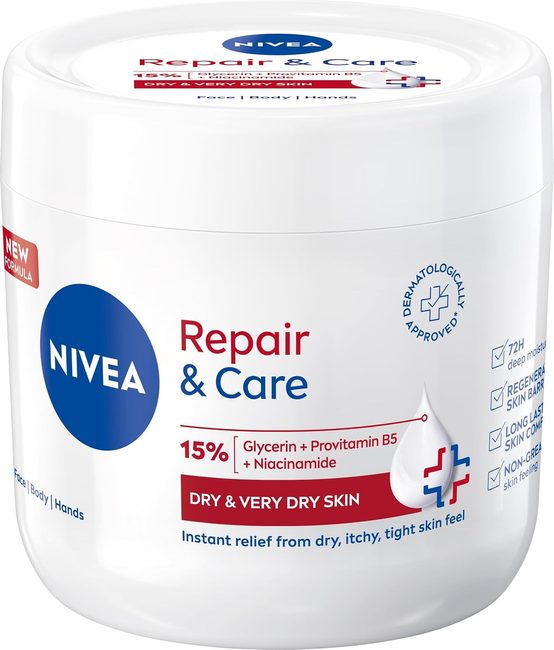
NIVEA Repair & Care Intensive Cream
Related Article: Best Affordable Hand Creams for Dry, Cracked, Winter Hands
The Cleanser Mistake That Makes Winter Dryness Worse
A cleanser that worked fine in July can strip skin in December, and it is usually because of surfactants, the ingredients that lift away oil and dirt. Foaming cleansers and anything with sulfates break down oils, but they don’t distinguish between the oil on your face and the lipids that hold your skin barrier together. In summer, skin produces more oil to compensate. In winter, oil production often drops along with humidity, so the same cleanser now removes more than it should, with less being replaced underneath.
Hot water compounds the problem. It feels good on a cold morning, but heat strips lipids faster than lukewarm water does, which is part of why skin can feel tight within minutes of stepping out of the shower. Switching to a sulfate-free cream or gel cleanser, and keeping water lukewarm rather than hot, keeps the cleansing step from undoing whatever moisturiser you apply afterwards.
Humectants vs Occlusives: What Each One Actually Does for Your Skin
Most winter skincare routines fail because they use only one type of ingredient when the job actually needs two. Humectants and occlusives solve different parts of the same problem, and neither one works well alone once humidity drops.
Humectants, including glycerin, hyaluronic acid and urea, draw water toward themselves. In a humid environment, they pull water from the air into your skin. In a dry winter room, there is no water in the air to pull from, so a humectant can end up pulling water from the lower layers of your skin instead, which can leave skin feeling tighter, not better, if it is used alone.
Occlusives solve that by sealing moisture in rather than drawing it in. Petrolatum, shea butter, mineral oil, and dimethicone sit on top of the skin and slow water loss through the surface. They do not add hydration themselves, but they stop what is already there from evaporating.
The winter fix is to use both in sequence: apply a humectant to damp skin, then follow with an occlusive to lock it in. Ceramide-containing creams do double duty, since they both help rebuild the barrier’s natural lipid structure and provide some occlusive benefit, which is part of why they show up so often on lists of the best skin care products for winter dry skin.

Building a Simple Winter Layering Routine, Morning and Night
A winter routine doesn’t need to be complicated, but the order of application matters more than it does in summer.
Morning:
- Cleanse with a lukewarm rinse or a gentle, non-foaming cleanser.
- Apply a hydrating serum or toner containing glycerin or hyaluronic acid to damp skin.
- Follow with a richer moisturiser, ideally one with ceramides.
- Finish with sunscreen, applied as the last step.
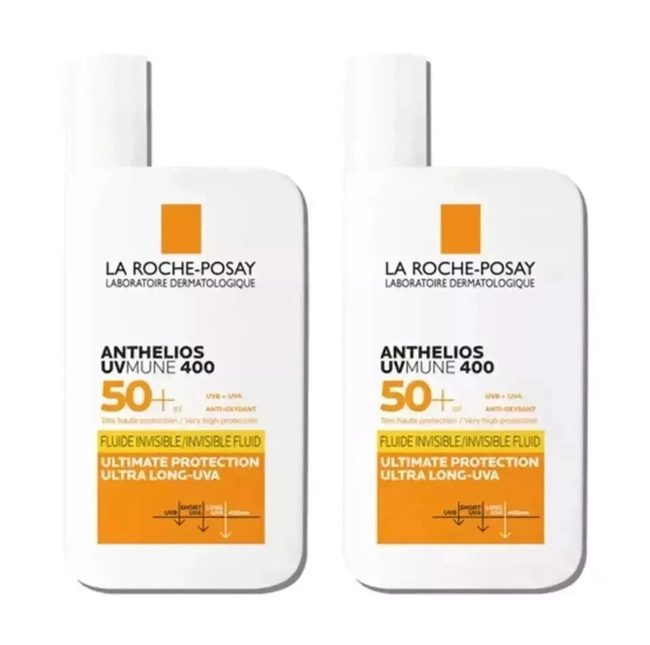
2PC 50ML La Roche- Posay Anthelios SPF50+ Ultra Protection Invisible Fluid Cream
Night:
- Cleanse to remove sunscreen, makeup and the day’s buildup, again with lukewarm water.
- Apply the same humectant layer to damp skin.
- Seal with a heavier night cream or, on especially dry nights, a thin layer of an occlusive like petrolatum over the moisturiser.
The key detail is applying humectants to damp, not dry, skin. Water on the skin gives the humectant something to grab onto and hold, rather than pulling moisture up from deeper layers. Sealing with an occlusive immediately afterwards traps that water before it can evaporate into the dry indoor air.
FM World Utique Advanced Age Control Night Cream
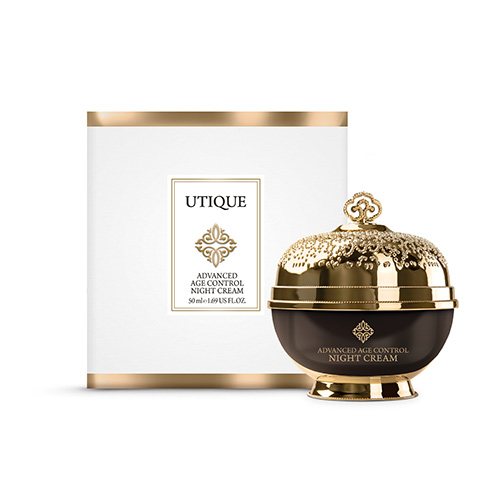
A wealth of powerful anti-ageing and firming active ingredients that penetrate deeply into the skin during sleep, when cells are actively dividing and regenerating, to provide optimal hydration, nourishment, and smoothing effects.
• Retinol stimulates fibroblasts to produce collagen and elastin, making the skin more elastic and resilient while reducing the appearance of wrinkles. It accelerates epidermal cell renewal and decreases the tendency for blackheads and blemishes
• Arbutin aids in combating hyperpigmentation, including post-inflammatory and sun-induced spots, evening out skin tone, brightening the complexion, and giving it a radiant look, while also soothing inflammation
• Coenzyme Q10 and vitamin E work synergistically to protect cells from free radical damage, inhibit photo-ageing processes, and provide intensive regeneration and smoothing effects
• Squalane strengthens the skin’s hydrolipid barrier and reduces the appearance of fine lines
• Betaine, urea, and pentavitin deliver intensive hydration
• Shea butter regenerates, moisturises, soothes irritation, and has anti-ageing properties; it contains fatty acids, polyphenols, phytosterols, and vitamins A, E, and F
• Allantoin prevents dryness and irritation, reduces redness, and stimulates epidermal regeneration
Don’t Skip SPF Just Because It’s Cold Out
Cold weather has nothing to do with UV exposure, but it is easy to let sunscreen slide once the beach season ends. UVA rays, which contribute to skin ageing and damage the barrier over time, pass through clouds and glass and are present year-round, regardless of temperature. Skin that is already compromised by dry air and cold wind has less of a buffer against that kind of damage.
Winter sun reflecting off snow can also intensify UV exposure for anyone spending time outdoors. A broad-spectrum sunscreen applied as the final step of a morning routine protects skin that is already working hard to hold onto moisture, and skipping it adds another source of stress to a barrier already under pressure from cold, dry air.
It wasn’t until my mid-50s that I started wearing a sunscreen with a protection factor of 50 before applying makeup. Over 10 years, I had some damage on one of my cheeks, and this made me very conscious of the dark patch that appeared on my cheekbone. I had a dear friend in the aesthetics business chemically remove it. It took several attempts over several months to lighten it, and although it hasn’t completely gone away, I feel less self-conscious about it, and once I apply my makeup, it’s barely noticeable.
Looking back, I wish I had known about the dangers of sun damage sooner, or at least paid attention when I was younger, and maybe I wouldn’t have this much sun damage. We don’t think about the implications of our skin when we are young until we have issues later on in life. Don’t get me wrong, I would always wear a sun factor on my arms and legs and face in the hot weather, while on holiday and at home in the garden, but never continued to use the factor 50 on my face through the winter months.
Related Article: Vegan Autumn Scented Body Care Products
Dealing With Specific Trouble Spots: Hands, Lips and Cracked Heels
Hands, lips and heels dry out faster than the rest of the body because the skin in these areas is thinner, has fewer oil glands, or is exposed more often to water and friction. They tend to need separate attention rather than relying on a facial routine to cover them.
Hands are washed repeatedly through the day, and each wash strips lipids the same way a hot shower does. Keeping a thick hand cream near every sink and applying it immediately after drying, while skin is still slightly damp, helps more than applying it hours later on fully dry skin.
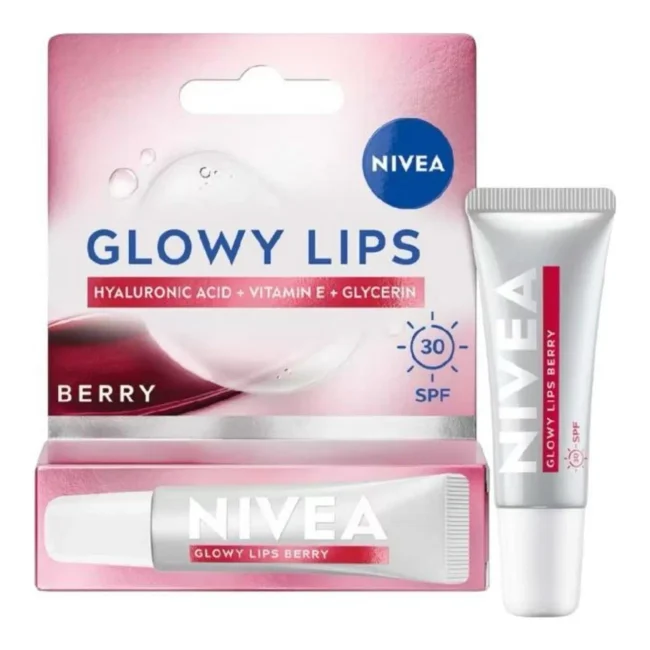
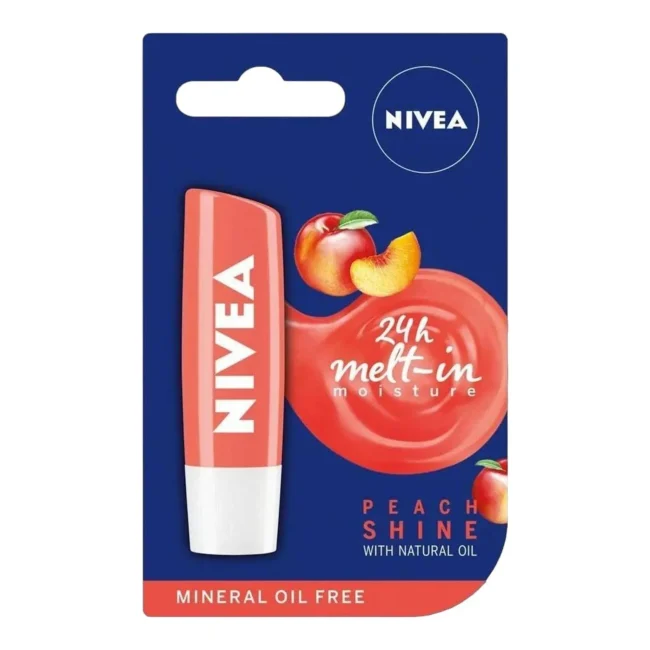
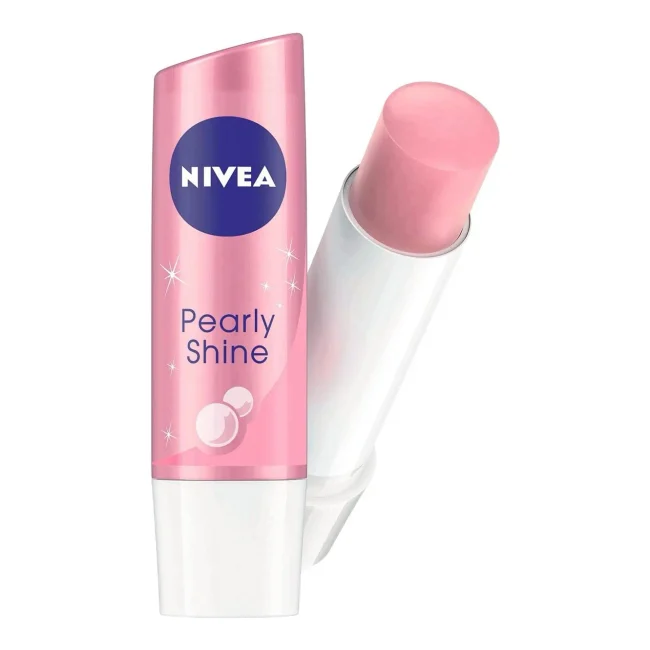
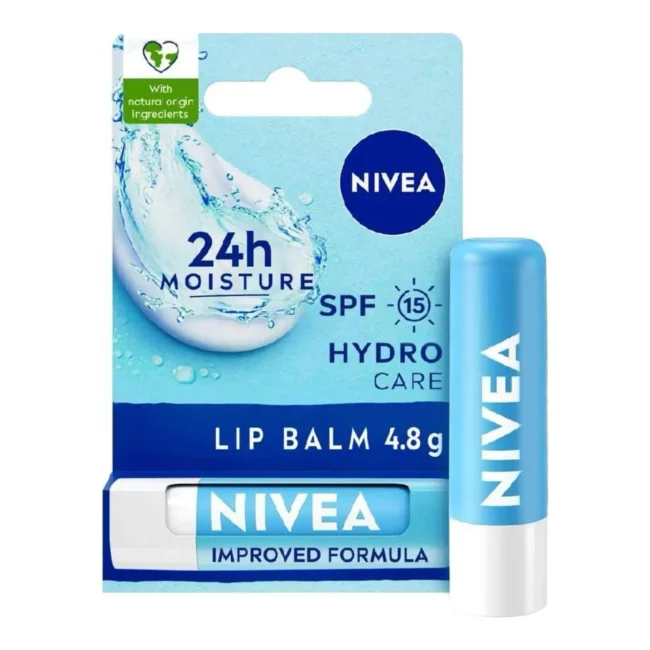
Lips have no oil glands, which is why they crack faster than almost any other area. A balm with an occlusive base, applied before the lips feel dry rather than after, prevents the cycle of licking and reapplying that often makes chapping worse.
Nivia lip balm is my favourite friend. I always apply the balm before taking the dog for a walk, and I often wear it in the evening once I’m home from work and have removed my makeup.
Heels and cracked skin on the feet benefit from the same humectant-then-occlusive approach, but with a thicker occlusive layer, since the skin is tougher and loses water more slowly on its own but cracks visibly once it does. Applying a heavy foot cream and wearing socks overnight gives the occlusive layer time to work without rubbing off.
How This Blog Was Created
Fragrances With Love started as a personal hobby — sharing my love of perfume, affordable finds, and fragrance trends. I didn’t start with a background in websites, marketing, or blogging.
I built this site by writing about something I genuinely enjoy. I use one platform to host my website, write my blog posts, and learn how to monetise my content step by step, all in one place.
If you enjoy writing and have ever thought about starting a blog around something you love, you can see the platform I used to create this site below.
How I Created Fragrances With Love
When Dryness is a Sign of Something More Than Just Weather
Most winter dryness responds to the changes above within a few weeks of consistent use. If flaking, redness, or cracking doesn’t improve, or if it comes with persistent itching, swelling, or skin that weeps or bleeds, that points to something beyond seasonal dryness. Conditions like eczema, psoriasis, and contact dermatitis can look like ordinary winter dryness at first but need different treatment, sometimes including prescription options that over-the-counter moisturisers cannot replace.
A dermatologist can tell the difference between skin that needs better humectants and occlusives and skin that is reacting to an underlying condition. Treating the wrong problem with the right winter routine will not get you very far, so persistent or worsening symptoms are worth a professional opinion rather than another round of product swapping.
If you’re experiencing persistent dryness, itching, cracking or inflammation, it’s worth seeking advice from a healthcare professional.
Love discovering something new?
Sign up for the Fragrances With Love newsletter and enjoy a little inspiration straight to your inbox.
From seasonal skincare tips and beauty advice to gorgeous fragrances, home fragrance favourites and product recommendations, I’ll keep you up to date with things worth discovering.
Whether you’re looking after your skin through the winter months or love finding your next beauty favourite, there’s something for you.
Join our mailing list and never miss a little inspiration!
Related Article: Skincare Routine for Men
