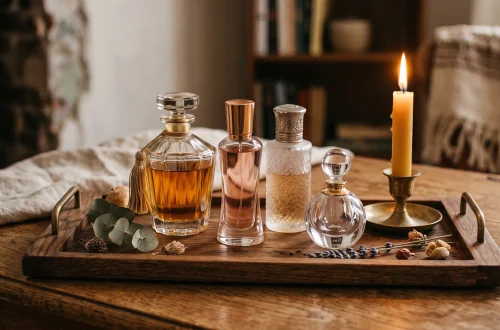
Best Woody Perfumes for Men and Women, by Wood Type
If you are searching for the best woody perfumes for men and women, a ranked list is less useful than knowing which wood you are actually smelling. “Woody” covers very different things: creamy, almost milky sandalwood; dry, pencil-shaving cedar; earthy vetiver root; smoky birch. Someone who dislikes one can love another.
This guide sorts the family by the wood that drives the scent. Find the type that sounds like you, then use it to choose perfumes, candles and incense that share the same character.
This article is part of a fragrance blog I built myself — I’ll explain how at the end if you’re curious.
Why Woody Fragrances Don’t Belong to One Gender
Perfume gets labelled “for him” or “for her” mostly through packaging and marketing. The raw materials have no gender. Sandalwood, cedar, and vetiver are natural materials (or synthetic copies) that perfumers have used in every kind of fragrance for a long time.
Woods work as a unisex family because they sit in a perfume’s base. Base notes linger after the bright citrus and floral top notes fade, giving a scent its overall character rather than a “feminine” or “masculine” signal. A woody base can carry a sweet floral on top, a sharp citrus, or a spiced heart, so the same wood suits very different wearers.
Choosing by wood also gets around the bottle labels. Instead of asking which section of the shop a perfume sits in, ask what the dry-down smells like on you. Which of the four types below sounds closest to what you already reach for?
Related Article: Top, Middle and Base Notes
Sandalwood: The Creamy, Skin-Close Wood
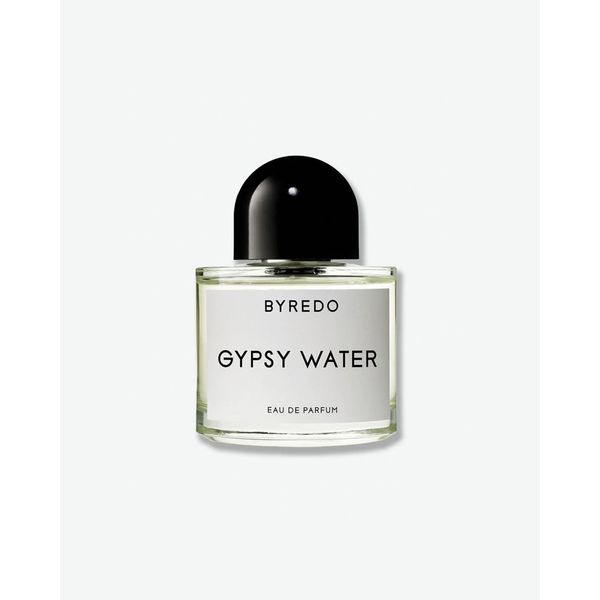
Sandalwood is the softest wood in perfumery. It smells smooth, slightly milky and faintly sweet, with a warmth that sits close to the skin rather than filling a room. If you like the smell of a freshly sharpened wooden box or a warm, clean jumper, this is probably your wood. I personally love sandalwood. I find it a great scent to wear year-round.
Because it is gentle, sandalwood suits people who want a scent that feels personal. It blends well with florals such as rose and jasmine, as well as vanilla, spice, and musk. Perfumes built around it often read as comforting and quietly elegant rather than loud.
One thing worth knowing: true sandalwood is a costly, carefully sourced material, so many sandalwood perfumes use other sandalwood species, blends or synthetic recreations. That is not a flaw in itself, and I cover the wider question in natural vs synthetic fragrances. The practical advice is to judge the scent on your skin and not by the ingredient list alone.
Sandalwood is a good starting point if you are new to woody scents, wear fragrance in a close-contact workplace, or want something that works year-round.
Related Article: The best Perfumes for Work
Cedar and Vetiver: The Dry, Clean Woods
Cedar and vetiver are often grouped because both feel crisp and dry. They differ quite a bit in detail, though.
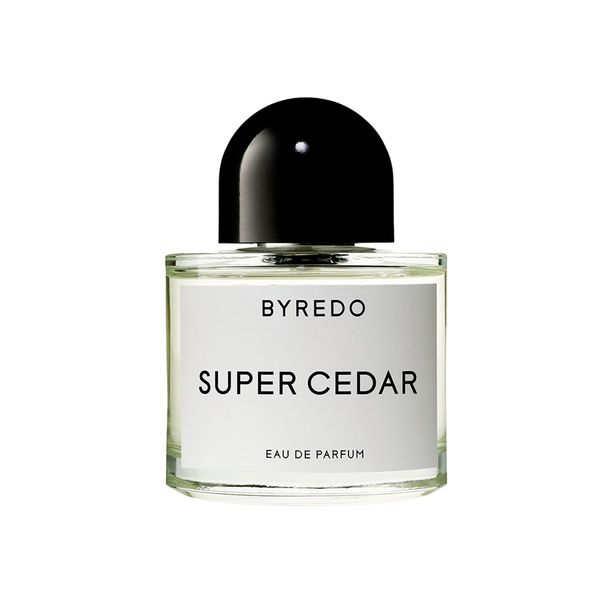
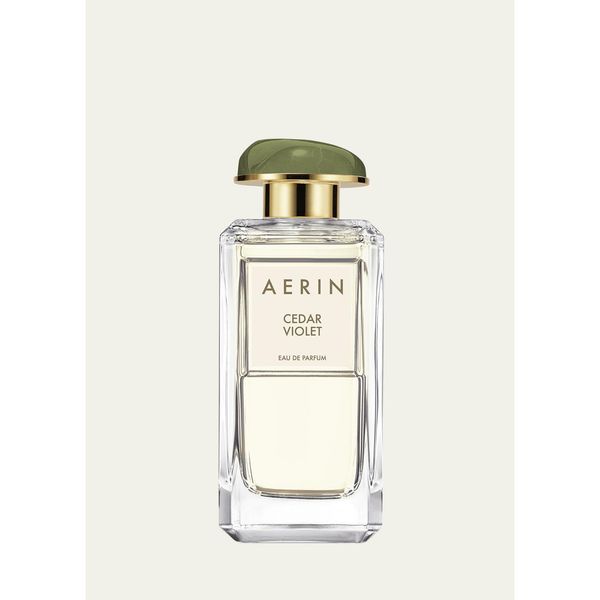
Cedar
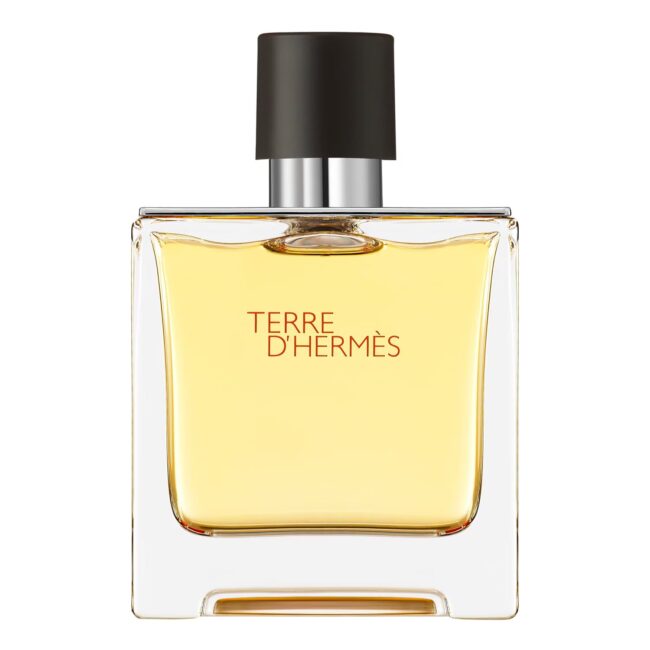
Cedar smells like pencil shavings, a wardrobe lined with cedar planks, or a freshly cut fence post. It is light, straight and slightly sharp, with very little sweetness. It gives a perfume structure, which is why it turns up under citrus, lavender and aromatic herbs so often.
If sandalwood feels too soft for you, cedar is the next step along. It tends to read as tidy and clean.

Vetiver
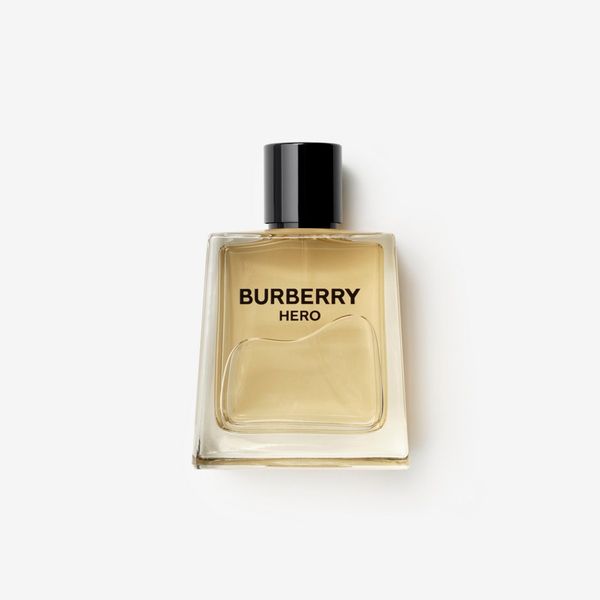
Vetiver is a grass whose roots are used in perfume, and it smells like it: earthy, green, a little smoky and slightly bitter, like damp soil after rain. Some people find it refreshing, and others find it austere. It is a note that tends to divide people, so it is worth sampling before you commit.
Both woods suit warm weather better than heavier types, because they feel dry rather than dense. Cedar and vetiver are also dependable choices for the office; if that is where you wear fragrance most, the best perfumes for work cover what to look for in a scent that sits well around other people.
If you want something that smells clean without smelling of soap, ask yourself whether you prefer the straight, tidy quality of cedar or the earthy, green edge of vetiver.

Smoky Woods: Birch, Oud and Incense-Like Depth
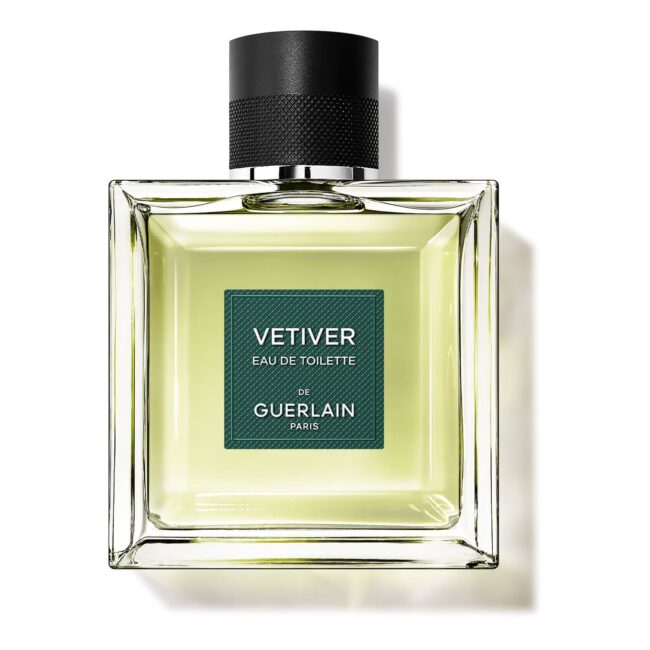
Smoky woods are the darkest end of the family. Birch tar gives a leathery, campfire smokiness. Oud (agarwood) is resinous, deep and sometimes sweet, sometimes animalic. Other notes in this group, such as guaiac wood and frankincense-style resins, add a church-incense or burnt-wood quality.
These scents are bold. They project further and last longer than most sandalwood or cedar fragrances, and a little goes a long way. They suit evenings, colder months, and anyone who wants a scent people notice.
If oud is what interests you most, there is a separate guide to the best oud perfume for women, and the same character appeals to men just as much. Smoky woods are among the clearest examples of why this family is unisex: the smoke and resin read as atmosphere, not as a statement about who should wear them.
A caution for beginners: smoky perfumes can smell very different in the first ten minutes than they do after an hour. Do not judge them from the paper strip alone.
Visit ShopMy for our collection of Oud fragrances.
How to Match a Woody Perfume to Your Season and Occasion
The wood type is a good guide to when a scent works best.
- Spring and summer: cedar and vetiver. Their dry, green character stays fresh in heat, and a light application will not overwhelm a warm room.
- Autumn and winter: smoky woods and richer sandalwood blends. Cold air carries scent less far, so deeper, warmer notes hold up well.
- Year-round daily wear: sandalwood, especially in softer, skin-close formulas.
- Work and close company: sandalwood or cedar, applied lightly.
- Evenings and dinners: smoky woods, or sandalwood with spice or vanilla for something warm and intimate.
These are tendencies, not rules. Plenty of people wear vetiver in December and smoky birch in July. If you are choosing for a particular occasion, though, the wood gives you a quick way to narrow down. For something romantic, the best perfume for a romantic evening goes into that in more detail.
What do you usually wear fragrance for: daily life, work, or special evenings? Your answer points you to the type you’ll wear most.
Bringing Woody Notes Home with Candles and Incense
A scent you love on your skin often translates well to the home, and woody notes do it especially well. They are easy to live with: they fill a room without the sugary heaviness some gourmand scents can have.
Here is how each wood tends to behave at home:
- Sandalwood in a candle or incense stick gives a calm, warm background. It suits bedrooms and reading corners.
- Cedar reads as clean and woodsy, and fits a hallway, study or any space where you want freshness without florals.
- Vetiver adds an earthy, green note that works in bathrooms and living areas.
- Smoky woods give a cosy, fireside mood that suits evenings and cooler months.
Incense sticks are the most direct way to get the smoky, resinous side of the family, since the material burns and releases its scent as it goes. If relaxation is your aim, the best incense sticks for relaxation are a good place to look. For choosing where to place candles and fragrance around the house, and how to scent your home room by room.
A practical idea: if you find a perfume you love, look for a candle or incense in the same wood. Wearing and burning related scents makes a home and a wardrobe feel connected, without having to match them exactly.
How This Blog Was Created
Fragrances With Love started as a personal hobby — sharing my love of perfume, affordable finds, and fragrance trends. I didn’t start with a background in websites, marketing, or blogging.
I built this site by writing about something I genuinely enjoy. I use one platform to host my website, write my blog posts, and learn how to monetise my content step by step, all in one place.
If you enjoy writing and have ever thought about starting a blog around something you love, you can see the platform I used to create this site below.
How I Created Fragrances With Love
How to Test a Woody Scent on Your Skin Before You Buy
Woody fragrances change more over time than most, because wood notes emerge only as the lighter notes evaporate. A quick sniff in the shop tells you about the top notes, not the wood you are paying for.
- Spray on skin, not paper. Skin chemistry shifts a scent, and woods in particular can turn warmer, sweeter or sharper on different people.
- Test one or two at a time. More than that and your nose stops being reliable.
- Wait at least an hour. The dry-down is where sandalwood, cedar and vetiver show themselves.
- Check again after several hours. This tells you how well it lasts, and whether the smoky or sweet parts grow stronger or fade.
- Wear a sample for a day if you can, before buying a full bottle.
If a woody perfume seems to disappear quickly on you, that is common and has several causes; your perfume’s longevity explains them.
Which wood note do you reach for most: sandalwood, cedar, vetiver or smoky? Tell me, and I’ll point you to woody perfumes, candles and incense that match it.
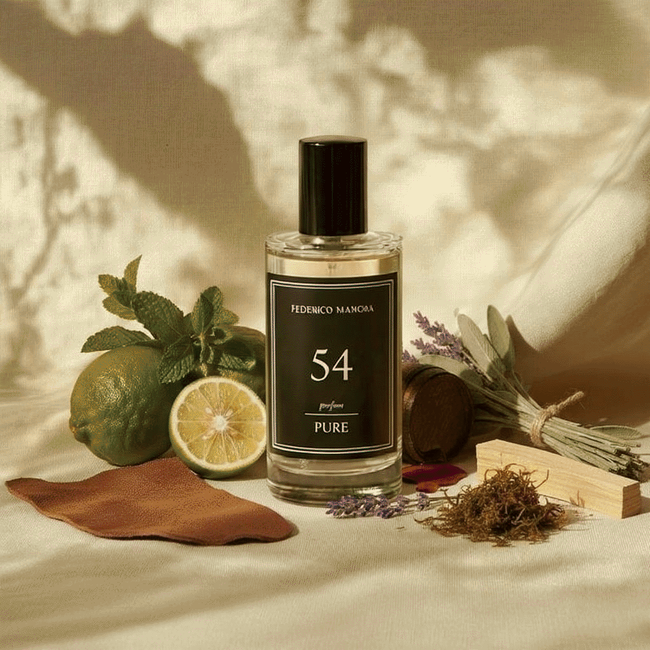
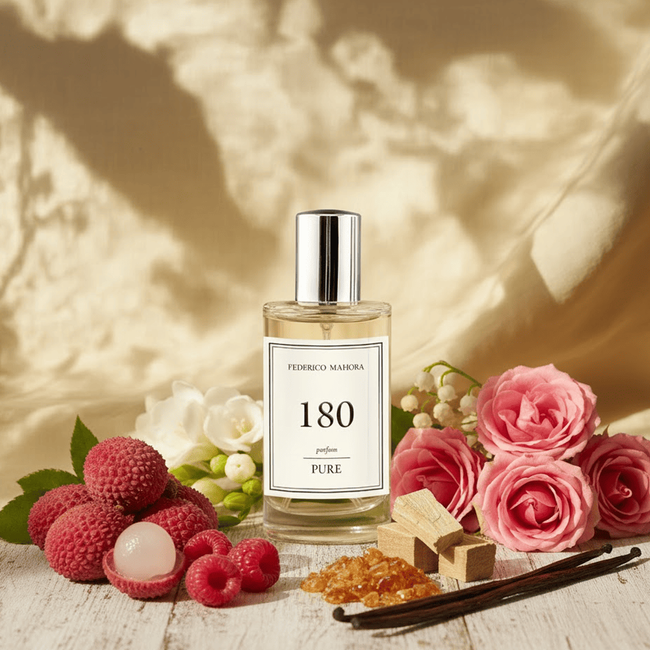
If you’re looking for a more affordable way to enjoy fragrances with beautiful woody notes like cedarwood and vetiver, FM World also offers a selection worth exploring. With a variety of scents for both men and women, you can enjoy these distinctive combinations without spending a fortune. It’s a lovely way to discover a new favourite while keeping your fragrance budget in check!
Related Article: Winter Scented Candles
Discover Your Next Favourite Woody Fragrance! 🌿
Love warm, earthy and sophisticated scents? From rich cedarwood and creamy sandalwood to smoky, sensual notes, woody fragrances have a timeless appeal for both men and women.
Don’t miss out! Subscribe to our newsletter today for more fragrance inspiration, expert tips and recommendations to help you discover your perfect scent. Join our fragrance-loving community and let us help you find your next signature fragrance!

You May Also Like
How To Choose The Best Autumn Fragrances For Men

Global Perfume Trends 2026