Why Your Perfume Doesn’t Last
Your perfume smells amazing for about 20 minutes. By lunchtime, it seems to have vanished, leaving you wondering if you wasted your money or if maybe you’re wearing it wrong. I’ve been there, and honestly, it’s a common frustration! A lot is happening behind the scenes with fragrance, from the science of your skin to what’s inside the bottle. I’m breaking down the reasons your perfume doesn’t last and sharing what actually helps keep that scent around throughout your day.
This article is part of a fragrance blog I built myself — I’ll explain how at the end if you’re curious.
Main Reasons Perfume Doesn’t Last
Scent fading quickly isn’t just about bad luck or buying the “wrong” fragrance. There are a bunch of factors at play, including chemistry, environment, and even your mood. Some bottles just aren’t built to stick around, and sometimes it’s how we use them. Here are some of the big reasons any perfume might not last as long as you hope.
- Fragrance Ingredients: Light, citrusy, or herbal perfumes usually fade faster than richer, heavier ones. These lighter notes consist of smaller molecules, which evaporate from the skin much more quickly.
- Concentration: Eau de toilette isn’t as strong as eau de parfum or perfume/extrait. Higher concentrations have more oil that clings to the skin better and lasts longer.
- Your Skin Type: Dry skin doesn’t hold scents as well as oily skin. Perfume “sticks” to the oil in your skin, so if you’re dry, your scent tends to fade faster.
- How You Apply It: Where and how you spray your perfume can make or break its staying power. Spraying on dry, bare arms isn’t usually enough to keep it going all day.
- Weather & Climate: Hot weather causes perfumes to evaporate faster, while cold weather makes them fade or become less noticeable. Humid environments can help scents last longer, but it varies by type.
- Personal Chemistry & Lifestyle: Your body temperature, pH, skincare products, and even hormones (especially during stressful times) can all affect how your perfume behaves.
As explained by the Fragrance Foundation, skin type and body chemistry can significantly affect how long a scent lasts on the skin.
Perfume Ingredients and Why They Matter
All perfumes are built on layers: top, middle, and base notes. Top notes are sharp and zesty, grabbing your attention right away, but they don’t have staying power. Think citrus, green, or aquatic scents. Middle notes (like florals or spices) hang around a little longer, but it’s really the base notes: creamy woods, musk, amber, vanilla. Those give a perfume real longevity.
If you always choose lighter scents (like eau fraiche, some floral mists, or refreshing aquatics), they’re designed to be fleeting. Look for “eau de parfum” or “parfum” if you want something that holds on for hours. Richer, warmer bases with woods, resins, and spices usually last longer throughout the day.
The Role of Skin and Application
Perfume works differently depending on your skin type. Oily skin holds onto fragrance molecules far better than dry skin. If you’ve got dry skin (or if you moisturise inconsistently), your scent might disappear unfairly quickly. Applying a light, unscented moisturiser first can help by giving some grip for the perfume to stick to.
Placement also matters. Pulse points, such as the wrists, inner elbows, the base of your throat, and the backs of your ears, naturally release more heat, which helps a scent blossom. But exposed skin (like your wrists) gets washed or rubbed a lot, so you’ll lose fragrance faster. Spraying a bit on clothes (do a fabric safety check first) or in your hair allows the scent to hang on much longer, since those areas don’t warm up as much as your skin does. For special events or long days, spritzing your scarf or even the back of your knees can help fragrance last without being overpowering.
Related Article: Best Perfume For A Wedding Day
Environmental Factors: Weather, Climate, and Surroundings
Hot days and humidity can supercharge perfume; the downside is evaporation, especially for those breezy, airy scents. If you live somewhere cold and dry, fragrance might seem quiet or disappear, even if it’s still there for others.
Air conditioning, central heating, and even frequent handwashing or the use of hand sanitisers (which strip oils from your skin) are all factors that work against your perfume. Polluted air or city smog can sometimes interfere, too, dulling delicate notes so they don’t project well. In office settings or crowded spaces, various odours might compete, making your fragrance fainter than you’d like. Seasonal changes can also make a difference, so switching up your routine with the seasons can help your signature scent stay fresh and noticeable.
Related Article: Best Perfume Layering Combinations
Does Stress Affect How You Smell Your Fragrance?
Stress affects almost everything, including your sense of smell. When you’re feeling overwhelmed or tired, your nose (and brain) becomes less sensitive, or even numb, to certain scents. Your body chemistry also changes somewhat, so perfume molecules might interact differently with your skin, becoming muted or even morphing into unexpected smells.
It’s not actually that your perfume isn’t there; it’s just that you literally can’t smell it for a while. Mood, menstrual cycles, and medication can all update your “chemical signature,” making some favourite perfumes fade faster or smell totally different. Taking breaks is a good way to reset your nose, and switching up your fragrance style when stressed might keep things interesting and help you enjoy your perfume more consistently.
Related Article: Well-Being Candles
How Come Others Smell Your Perfume, But You Can’t?
Not being able to smell your own perfume is a classic complaint, and you’re totally not alone: you spritz on something lovely, and 30 minutes later, you don’t even notice it. Someone else, though, still compliments your scent hours later.
Your nose “gets used to” the smell. The scientific term is olfactory fatigue. Once a scent becomes familiar, your brain tunes it out to focus on newer, more urgent info. Your signature perfume can disappear to you in just a few minutes, but it might hang on long after for other people nearby, and this is normal. It doesn’t mean your perfume isn’t working. If you want to keep enjoying your scent, mix things up: try rotating perfumes, applying to different spots, or sniffing your sleeve for a new take. Taking mini breaks between applications can also revive your sense of smell and let you appreciate your favourite scent all over again.
Tips to Make Your Perfume Last All Day
You don’t have to accept perfume fade as your reality. With a few easy tweaks, you can stretch the life of almost any fragrance. Here are my top tips, based on years of testing and recommendations from fragrance pros:
- Moisturise First: Scent lasts longer on hydrated skin. Use a fragrance-free lotion or matching scented body cream as a” base.”
- Layer Up: Some fragrances have shower gels, lotions, and matching oils. Using products from the same scent family really turns up longevity.
- Spray Strategically: Focus on pulse points, but also try spraying lightly on your hair or a scarf. Fabric and hair hold perfume much longer than skin.
- Don’t Rub: Spraying perfume and then rubbing your wrists can crush the scent molecules and make top notes burn off quickly. Let it air dry naturally.
- Store Smart: Keep perfume away from sunlight, humidity, and temperature swings. A cool, dry drawer helps bottles last longer and keeps scent consistent.
- Respray (Tactfully): For lighter scents or hard days, carry a sample vial or rollerball for a quick afternoon pick-me-up.
In addition, you can try applying a small dab of petroleum jelly (unscented) to your pulse points before spraying; this gives the perfume something to hold onto, making it last longer. Remember to replace your perfume if it starts to smell off, since old fragrance might fade even quicker. These simple tricks can give your perfume the extra mileage it needs to last all day.
Picking a Longer-Lasting Perfume
It’s not just about hoping for the best. Fragrance notes and formulas make a big difference. If you’re craving all-day scent, look for these words on a bottle or description:
- Oriental, Woody, or Spicy Notes: These contain heavier molecules that stick to skin for hours.
- Eau de Parfum or Extrait: Higher concentrations of perfume oils stick around longer than eau de toilette or body sprays.
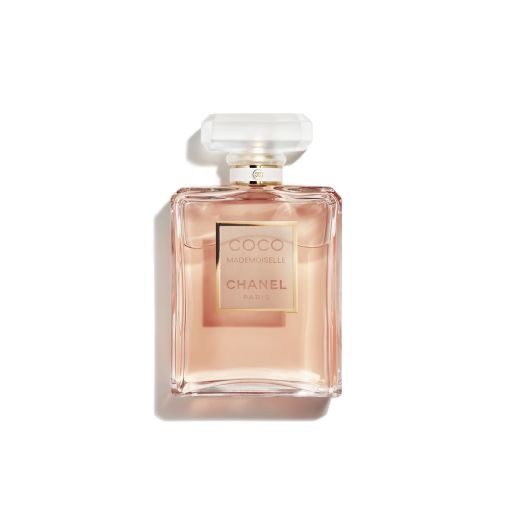
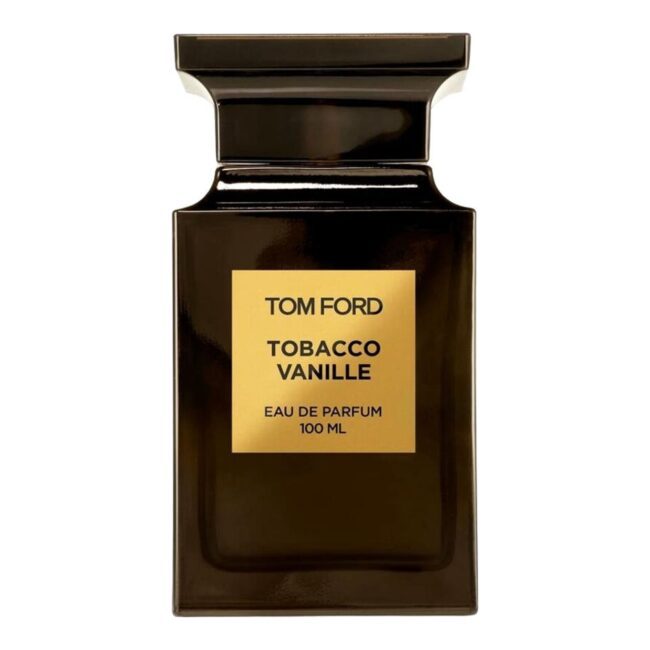
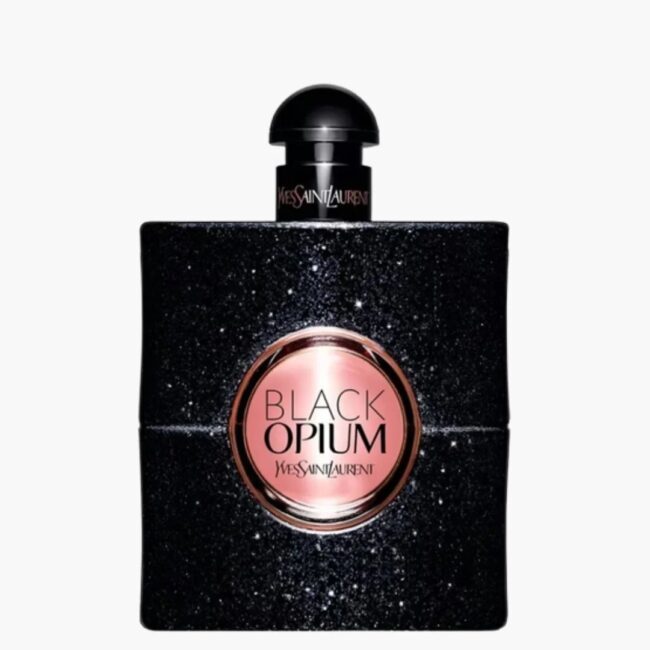
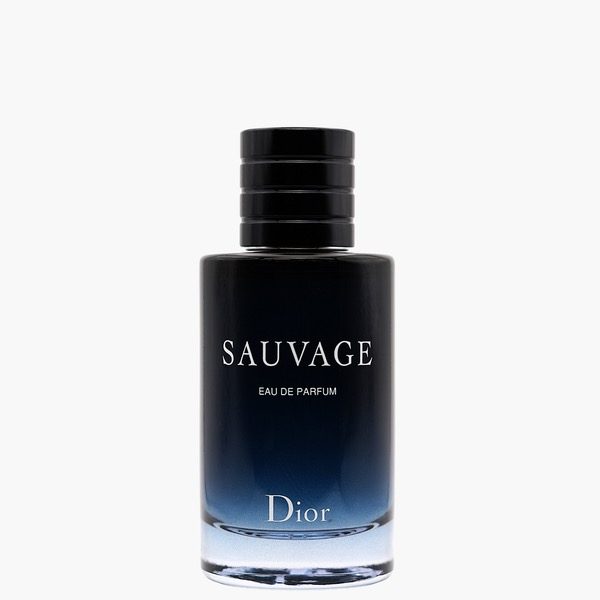
A couple of popular long-lasting picks include Chanel Coco Mademoiselle (for women), Dior Sauvage (for men), Tom Ford Black Orchid, and Yves Saint Laurent Black Opium. Niche brands often offer higher concentrations, too. Always test on your own skin; your mileage may vary based on your chemistry. Sampling before buying a full bottle is the safest way to make sure you’re happy with both the scent and its staying power.
Frequently Asked Questions
Why does my perfume disappear so quickly, even though I apply a lot?
Spraying more doesn’t always help, especially with lighter scents or if you’re applying to dry skin. Focus on moisturised skin and higher-concentration options for more staying power.
Where is the best place to spray perfume to make it last?
Pulse points (wrists, inner elbows, neck, behind the knees), hair, and a scarf or your shirt (if fabric-safe) are all smart spots. Avoid rubbing after spraying.
How can I tell if a perfume is worth the investment if I want it to last?
Look for eau de parfum/extrait, and check that it contains base notes you love. Try samples for a full day if possible, paying attention to how long they last and how they change over time.
Is it normal for perfume to smell different on my skin than on my friend’s?
Totally normal. Skin chemistry, diet, hydration, and even stress levels all impact how fragrance reacts and lasts.
How This Blog Was Created
Fragrances With Love started as a personal hobby — sharing my love of perfume, affordable finds, and fragrance trends. I didn’t start with a background in websites, marketing, or blogging.
This site was built by writing about something I genuinely enjoy. I use one platform to host my website, write my blog posts, and learn how to monetise my content step by step, all in one place.
If you enjoy writing and have ever thought about starting a blog around something you love, you can see the platform I used to create this site below.
How I Created Fragrances With Love
Takeaways for Enjoying Longer-Lasting Scent
Perfume wear time is wrapped up in a bunch of moving parts, some you can control, and others you have to accept. Paying attention to ingredients, concentration, how and where you apply, and supporting your fragrance with hydrated skin or layering methods goes a long way. Choosing the right type for your preferences makes every spray worth it, and even when you can’t smell it, someone else can. With a little tweaking, your favourite perfume can stick around and keep you feeling (and smelling) great all day.
Join Our Fragrance Community ✨
Love perfume, candles, and beautiful home fragrances? Come and be part of our growing fragrance community at Fragrances With Love.
Sign up for our newsletter, and you’ll get regular scent inspiration straight to your inbox — including perfume tips, honest fragrance insights, and ideas to make your home smell amazing all year round.
You’ll also be the first to read new blog posts like:
- Why your perfume doesn’t last (and how to make it last longer)
- Perfume bottle history and design stories
- Candle and home fragrance guides for every season
- Incense sticks, diffusers, and room scent ideas to create a relaxing home atmosphere
Whether you’re passionate about perfumes, love cosy candlelight, or enjoy experimenting with different home scents, there’s something here for every fragrance lover.
Sign up today and never miss a scent story again.