Best Perfume For Asthma Sufferers
If you’re like me and have asthma but still want to enjoy a lovely scent, you know it’s a balancing act. I’ve always enjoyed wearing perfumes, but unfortunately, some fragrances trigger my asthma within seconds. Super strong or musky scents can leave me coughing or feeling tightness in my chest, which isn’t what I want when I’m trying to smell nice. I’ve learned a ton over the years about what works for asthmatics and what probably won’t, and I’m sharing it all here for those who want to smell fresh without worrying about their breathing.
This article is part of a fragrance blog I built myself — I’ll explain how at the end if you’re curious.
Choosing Perfume with Asthma: My Experience
Perfume can make you feel confident and put together, but for me, it always comes with a health check. I’m pretty sensitive to certain ingredients and especially heavy or overly sweet scents. After a few embarrassing coughing fits and a couple of ruined evenings out, I decided to take my skin care seriously.
I stumbled upon FM WORLD fragrances about 12 years ago. These perfumes tend to have lighter scents, and the formulas suit me. I wear them daily and have had far fewer problems with my asthma. FM WORLD offers a big range, so if you like something floral, citrusy, or woody, there’s usually an option that won’t knock you out with intensity. The price is pretty reasonable, so you don’t have to break the bank to find something you can comfortably wear. I remember trying their citrus blend for the first time and being so relieved when I made it through the day without a single cough.
Over the years, I’ve also chatted with other asthmatics and found that both the scent and the application method can make or break your fragrance experience. So, let’s get into the details that really helped me and could change the way you wear perfume, too.
Shop FM WORLD fragrances at member prices
Global Members join here
What Makes a Perfume Safer for Asthmatics?
Perfume sensitivity can be strange; it’s not just about how intense a scent is. Asthma can be triggered by tiny particles and certain chemicals in fragrances. Ingredients like synthetic musks, some aldehydes, and heavier spicy or sweet notes often cause problems for me and others with asthma. Instead, I look for certain features that make perfume a safer pick:
- Light, Clean Fragrances: Scents described as fresh, green, or citrus often feel less overwhelming and harsh on the airways. They tend to sit lighter on the skin.
- Fewer Synthetic Ingredients: Perfumes with more natural ingredients sometimes feel easier on my airways, though it’s still a good idea to try before you commit. I find some synthetic ingredients linger in the air a bit too much.
- Alcohol-Free Options: Some people react to the alcohol in perfume, so water-based and oil-based fragrances are sometimes gentler choices. I have a friend who switched to water-based scents, and she says her nose and chest are much happier.
You can read more about asthma symptoms, triggers, and management on the NHS website or from Asthma + Lung UK.
Avoiding perfumes with heavy, syrupy vanilla, patchouli, or intense florals helps a lot. It’s about finding something you can enjoy without it taking over the whole room or your lungs. I once tried a new vanilla blend, and it took hours to clear up after just one spray—lesson learned!

Perfume Placement: Smelling Good Without the Cough
Not just the perfume itself, but where you apply it can make a big difference. Back in the day, I used to spray perfume around my neck or chest area. That always ended badly because those spots are right under my nose, so I ended up inhaling more of the scent with every breath. Instead, here’s what works for me now:
- Wrists or Inner Elbows: These points are far enough from your face yet still let you enjoy the fragrance. They also let the scent wear nicely over time, so you catch a hint as you move.
- Behind the Knees or on Clothes: For an even subtler effect, I sometimes dab a little on the backs of my knees or a scarf; the scent is lighter but still pleasant. Applying it to clothes also means it’s less likely to come into contact with sensitive skin.
Steering clear of spraying on your neck, chest, or directly onto your face is a game-changer for people living with asthma. It’s a small adjustment that keeps me feeling comfortable throughout the day. You’ll be surprised how these changes can boost your confidence—no coughing required!
Related Article: Perfumed Jewellery
Alternatives for Those Who Can’t Wear Perfume
Sometimes, allergies or asthma make perfume a no-go. I’ve been there; if my breathing’s already acting up, I won’t risk even a spritz. Luckily, there are still ways to feel fresh without traditional sprays:
- Scented Lotions: These are usually far less intense and sit closer to the skin. I go for fragrance-free lotions or ones labelled “hypoallergenic.” These tend to fade quickly and are less likely to stick in the air.
- Natural Oils: A drop of rosehip or coconut oil mixed with a tiny amount of essential oil can be another option. Test on a small patch first, since even some oils can be strong.
- Scented Hair Mists: These tend to be very lightly fragranced and fade quickly, which helps avoid breathing issues, especially in crowded spaces. It’s also worth pointing out that being completely fragrance-free is a perfectly fine choice, and honestly, a lot of people are making that switch for health reasons these days. I did so during high pollen season and felt noticeably better. Some workplaces even encourage fragrance-free environments for everyone’s comfort.
Related Article: Hair Perfume Mist
Celebrity Fragrances for Asthma Sufferers: Are They an Option?
Big-name celebrity perfumes vary widely in strength and ingredients. From what I’ve tried, some lines are more wearable for people with asthma, mostly because they focus on lighter, cleaner notes.
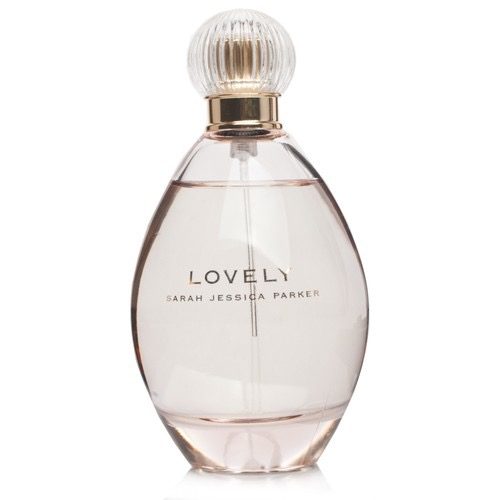
For women, Sarah Jessica Parker’s “Lovely” is a pretty safe bet. It’s soft, not overpowering, and has a gentle, floral, powdery feel. I can usually wear it without any problems. Clean Reserve, though not technically a “celebrity” line, is also famous for being hypoallergenic and nonoffensive, so it’s worth checking out for both men and women.
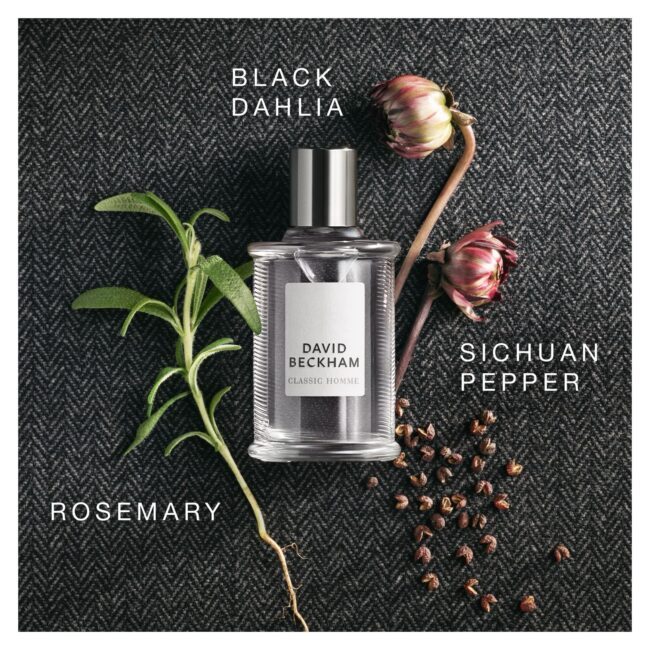
For men, David Beckham’s “Homme” manages to be fresh and clean with a subtle woodiness, not musky at all. CK One by Calvin Klein (a classic unisex scent) is another go-to. It smells crisp and is light on the senses, so it’s a winner in my book. My partner uses it, and I never notice any asthma symptoms when he does.
Why Certain Perfume Ingredients Trigger Asthma
Perfume isn’t just “scent in a bottle”; it’s a long list of chemicals, some of which are notorious for causing breathing troubles. The main offenders often include:
- Synthetic Fragrances: Artificial scents and musks are especially tough for those with asthma. These can linger in the air and irritate quickly.
- Aldehydes: Common in perfumes for their staying power, but sometimes a big trigger. Even a small amount can make certain perfumes feel much more intense than you expect.
- Heavy Essential Oils: Patchouli, sandalwood, or ylang-ylang can be too thick and irritating for the airways.
- Alcohol: High alcohol content can cause breathlessness or dryness in the nose and throat. Water-based perfumes are sometimes the best alternatives.
Related Article: Alcohol Free Perfume For Women
Natural ingredients aren’t always harmless. Some floral and citrus oils can still trigger allergies, so it’s worth checking the ingredient list and doing a quick sniff test first. I always recommend starting small and building up only if you feel fine. Over time, you’ll learn what your body tolerates and what to skip.
How I Test Perfume Safely (And How You Can Too)
I never buy perfume on a whim. Instead, I test carefully with these steps:
- Use Tester Strips: I always start by spraying the fragrance on a paper strip. I hold it away from my nose and wave it gently in the air, taking small sniffs. If nothing happens, I move to step two.
- Apply to Skin (But Not the Neck): The inside of my wrist is my test spot. I use a tiny dab, never a big spray, and pay attention to any tingling or breathing changes for at least half an hour.
- Leave the Store for Fresh Air: Sometimes scents build up, especially in a shop full of other heavy fragrances. I like to walk outside for a bit and see if I still like the scent and, even more importantly, if I still feel fine in my lungs and nose.
Related Article: How To Test Perfume Samples
If you tend to break out or feel tight in your chest, wash the area right away and avoid that perfume in the future. Over time, you’ll be able to spot which ingredients are the beginning of trouble for your asthma.
Tips for Wearing Perfume with Asthma
- Stick to Eau de Toilette or Eau Fraiche: These are lighter than Eau de Parfum or Parfum, so they’re less intense and less likely to cause issues.
- Go Unscented at Home: I usually skip perfume on days when I’ll be indoors or in poorly ventilated spaces. When I was working from home, this rule saved me from many headaches.
- Layer Slowly: Start with the tiniest amount and see how you feel, adding more only if you’re not reacting. Sometimes, less is much more.
- Buy Small Sizes First: Minibottles or travel sprays save money and hassle if you find the perfume isn’t a good fit later on, plus you aren’t stuck with a scent you can’t wear.
- Read Reviews from Others with Asthma: Join fragrance forums or online groups where people share their experiences. Sometimes, you’ll stumble upon a hidden gem perfect for sensitive noses. I’ve learned a ton from community recommendations.
- Ventilate Your Space Well: If you apply perfume indoors, open a window or turn on a fan for a few minutes afterwards. It helps clear out any lingering particles that might irritate your lungs.
How This Blog Was Created
Fragrances With Love started as a personal hobby — sharing my love of perfume, affordable finds, and fragrance trends. I didn’t start with a background in websites, marketing, or blogging.
This site was built by writing about something I genuinely enjoy. I use one platform to host my website, write my blog posts, and learn how to monetise content step by step, all in one place.
If you enjoy writing and have ever thought about starting a blog around something you love, you can see the platform I used to create this site below.
How I Created Fragrances With Love
Frequently Asked Questions
Question: Can I wear perfume if I have asthma?
Answer: Yes, but you have to be careful with which types you pick and how you use them. Go for lighter scents and always do a patch test. If in doubt, start with less and track how your airways respond. Remember, your comfort comes first.
Question: Are “natural” or “organic” perfumes better for people with asthma?
Answer: Sometimes, but not always. Even natural scents can be strong or irritating, so always test before you buy. It’s best to read the ingredient list and do a trial before regular use.
Question: How can I avoid perfume triggering my asthma at work or in public?
Answer: Apply perfume to spots far from your face (like your wrists), use less, and avoid spraying near your neck or chest. Consider using scent-free days if you know you’ll be in tight or crowded spots.
It’s totally possible to enjoy perfume even with asthma. You need to be smart and careful about what you use and how you wear it. The right fragrance, along with a few practical steps, helps you stay comfortable and smell great. Most importantly, listen to your body, and don’t hesitate to make changes if something isn’t working for you.
Join Our Fragrance Newsletter
If you love discovering new perfumes, home scents, and fragrance tips, you’re warmly invited to join our newsletter.
You’ll receive occasional updates including perfume guides, seasonal scent recommendations, home fragrance ideas, and helpful tips for choosing fragrances that suit your lifestyle.
Whether you’re looking for your next signature scent or simple ways to make your home smell amazing, our updates are designed to inspire and help you explore the world of fragrance.