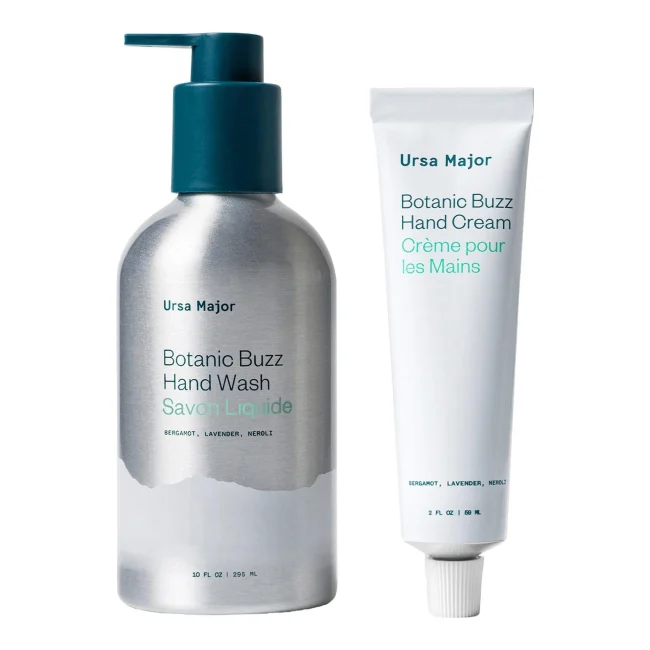
Best Affordable Hand Creams for Dry, Cracked Winter Hands
Cold weather does more to hands than cold air alone. Indoor heating pulls moisture from the air, wind strips the skin’s outer layer on the walk to the car, and repeated handwashing or glove changes work against whatever moisture remains. If your work keeps your hands wet, then exposed to cold air right after, as is common for hairdressers like me, often having slightly damp hands when I leave a customer’s house and going out into the cold to travel to the next client, the skin barrier breaks down faster than it can repair itself. The result is the cracking that a basic lotion barely touches.
This article is part of a fragrance blog I built myself — I’ll explain how at the end if you’re curious.
Most people respond by buying whatever hand cream is on sale and hoping for the best. That approach fails often enough that it’s worth understanding what a hand cream is actually supposed to do before you buy one, especially if you’re trying to stay within a reasonable budget. The goal is to find the best affordable hand cream for dry hands in winter by reading what’s actually inside the tube, not by trusting the words on the front.
Why Winter Air Cracks Hands Faster Than Regular Dryness
Skin holds moisture through a mix of water content in the outer layer and a layer of natural oils that keeps that water from evaporating. Cold, dry outdoor air and heated indoor air both have low humidity, so they pull water from your skin the same way they pull moisture from a houseplant. Normal dryness might leave hands feeling tight. Winter dryness, especially combined with frequent handwashing, can break the skin’s surface, leading to cracks around the knuckles and fingertips that sting when you touch anything acidic or hot.
For hands that are in and out of water all day, like a hairdresser’s hands moving between warm water, shampoo, styling products, and then straight into cold air, the barrier never really gets a chance to rebuild. Each wet-dry cycle strips a little more of the skin’s natural oil, and plain lotion applied once in the morning can’t withstand that kind of repeated exposure. This is why a cream chosen for its ingredients, not its scent or packaging, matters more in winter than any other season.
Related Article: Winter Cologne for Men
Humectants Versus Oclusives: The Two Ingredient Types Your Cream Needs
Every effective hand cream works through one of two mechanisms, and the best ones use both.
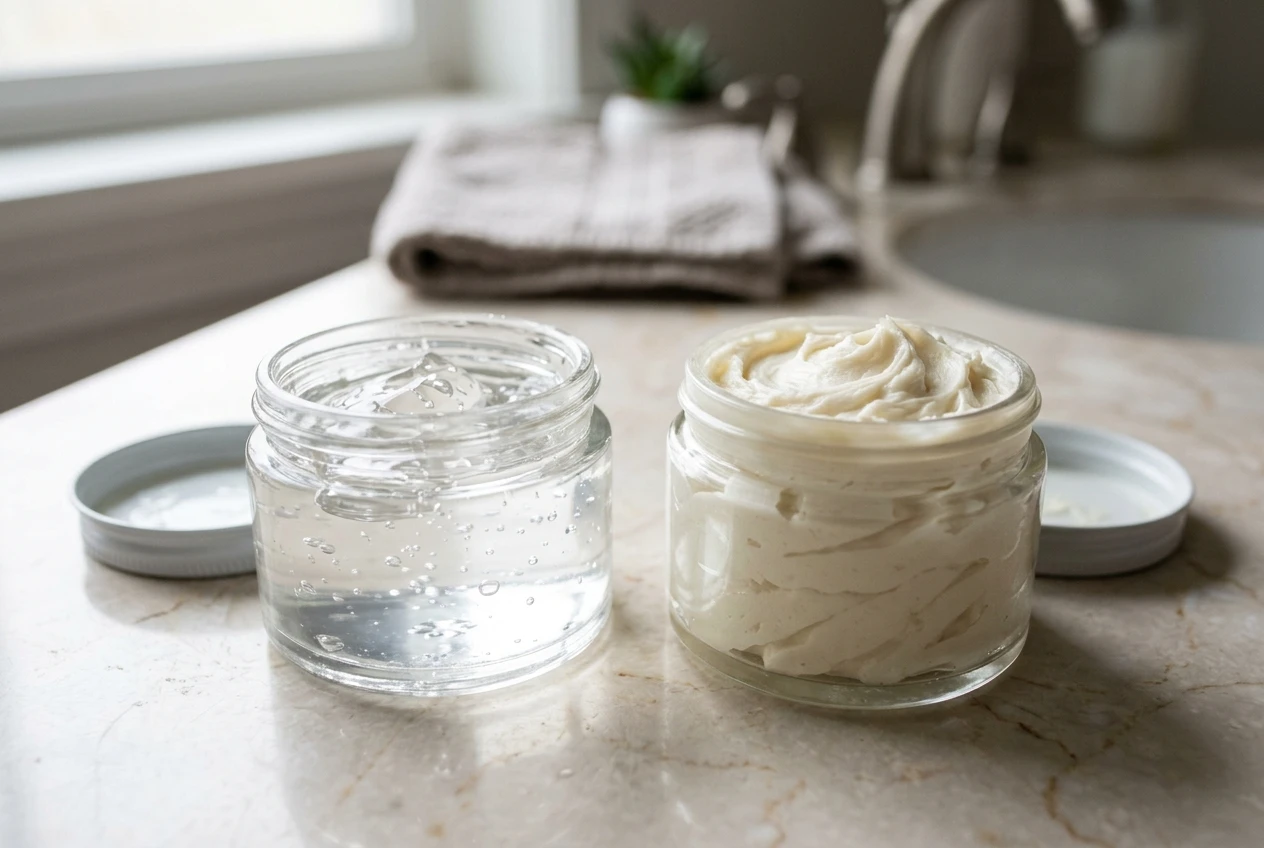
Humectants draw water into the skin. Glycerin, urea, and hyaluronic acid are common examples, and they pull moisture from the air or deeper skin layers up to the surface. They’re especially useful for hands that feel dry but aren’t cracked yet.
Occlusives seal that moisture in by forming a barrier on the skin’s surface. Petrolatum, shea butter, lanolin and mineral oil fall into this category. They don’t add moisture themselves, but they stop what’s already there from evaporating.
A cream with only humectants can make things worse in very dry, low-humidity air because it pulls moisture to the surface and then lets it evaporate, with nothing to hold it there. A cream with only occlusives feels heavy and greasy without fixing the underlying dryness. The creams worth buying combine both: something to draw water in, and something to keep it from leaving again. That combination, not the brand name or the price point, is what separates a cream that actually heals cracked hands from one that sits on top of them.
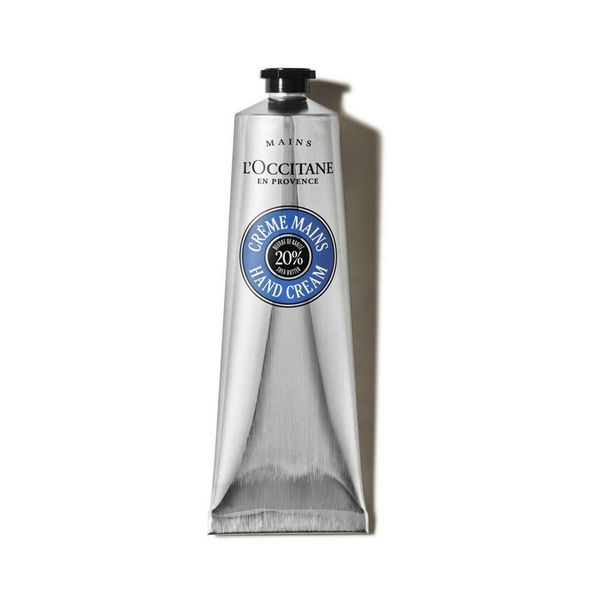
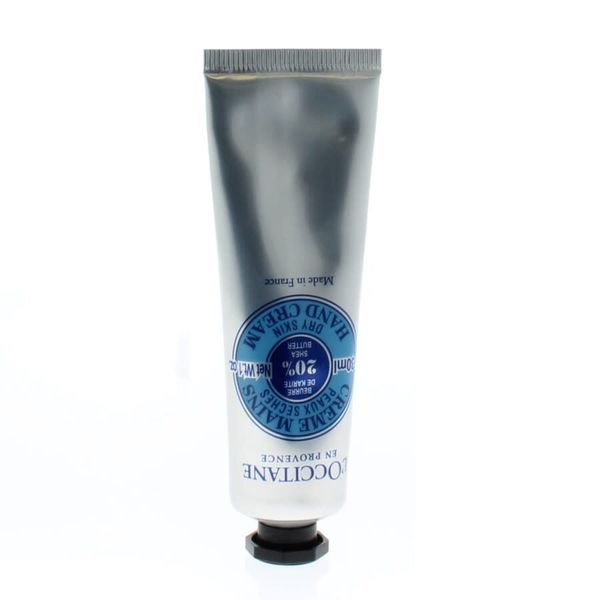
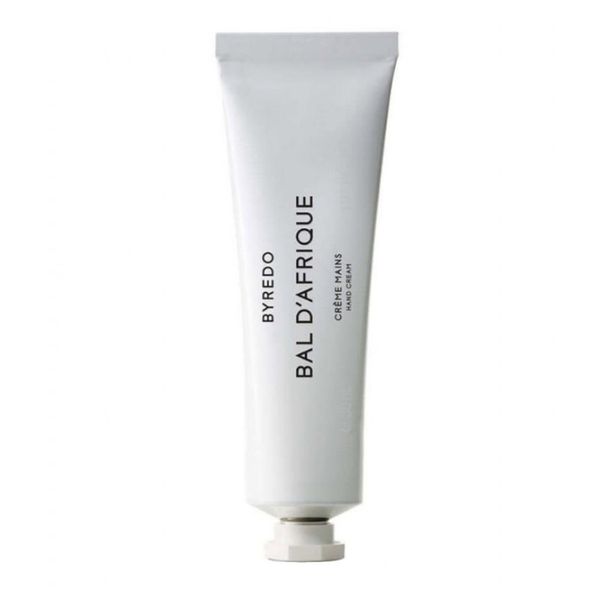
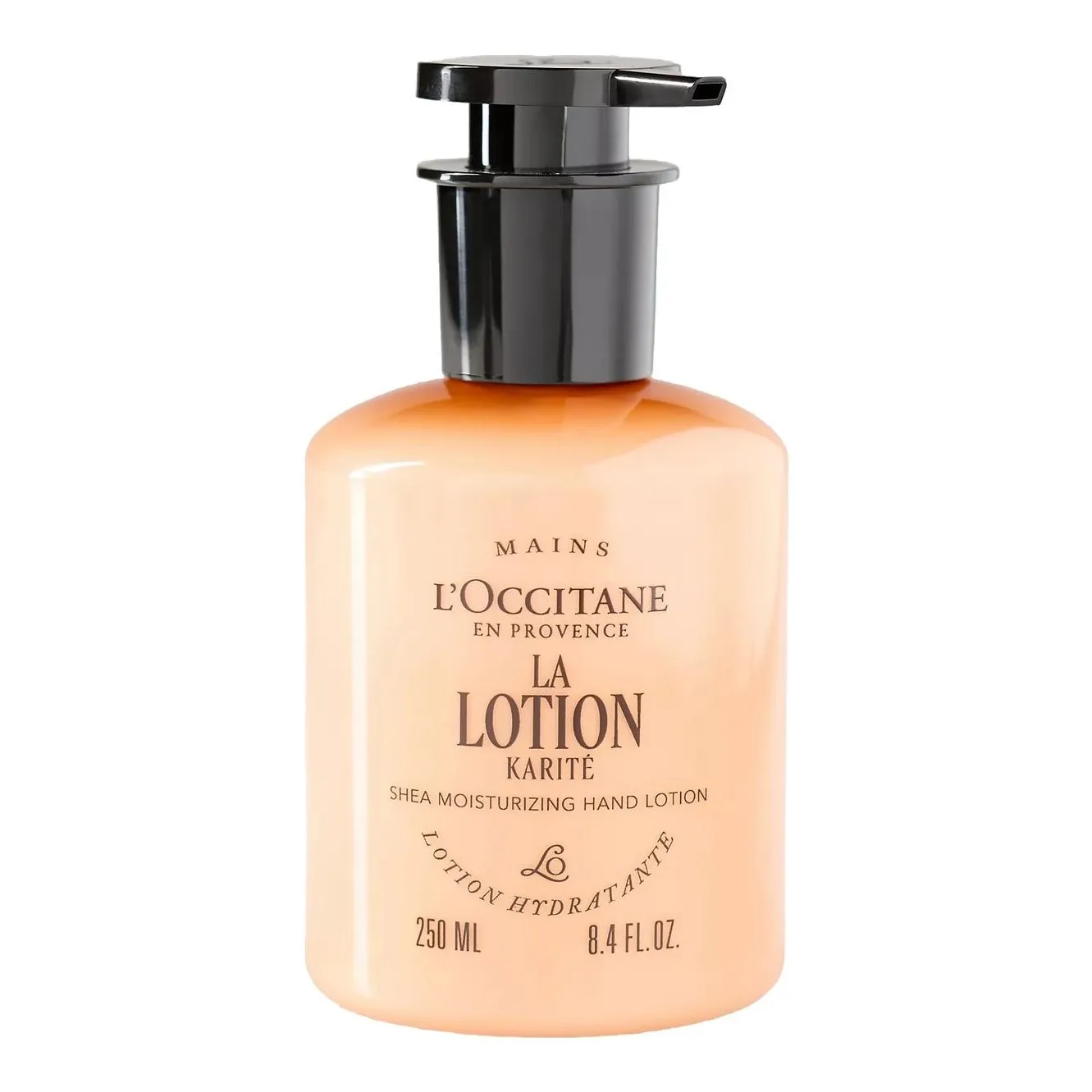
I’ve also put together a collection of hand creams on my ShopMy account to help soothe and nourish dry, cracked hands, with affordable options to keep your hands feeling soft and cared for all winter long.
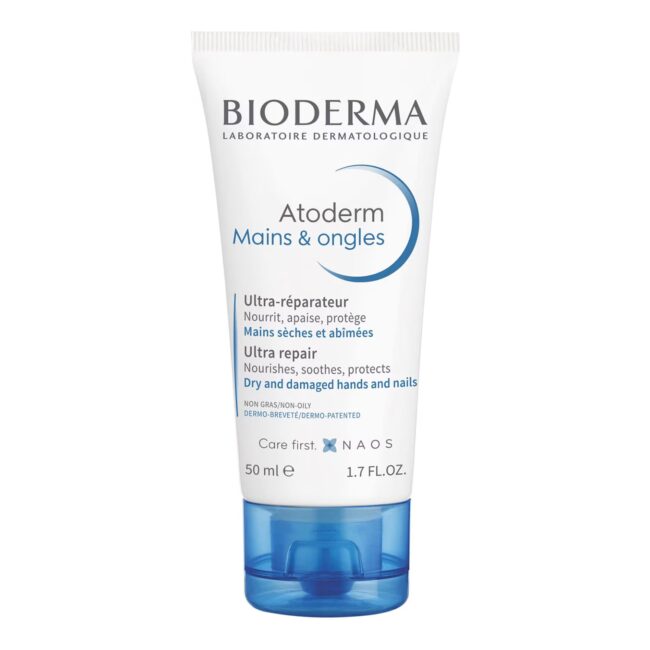
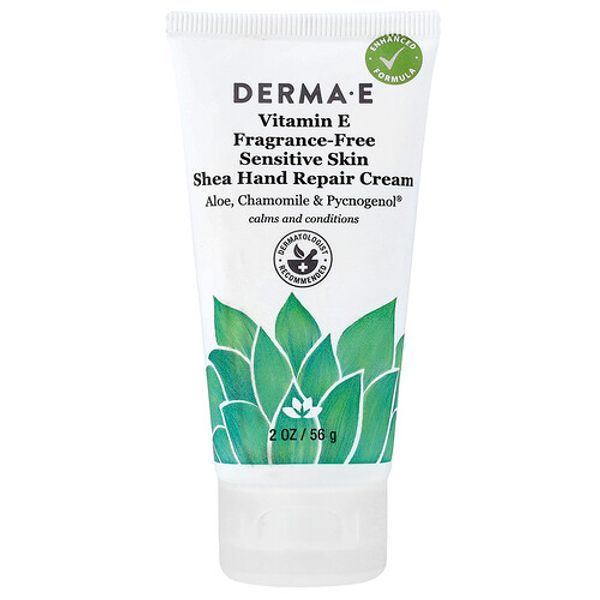
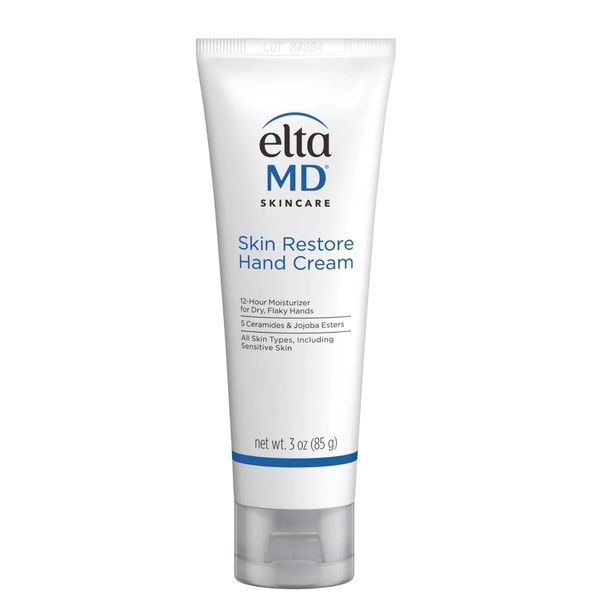
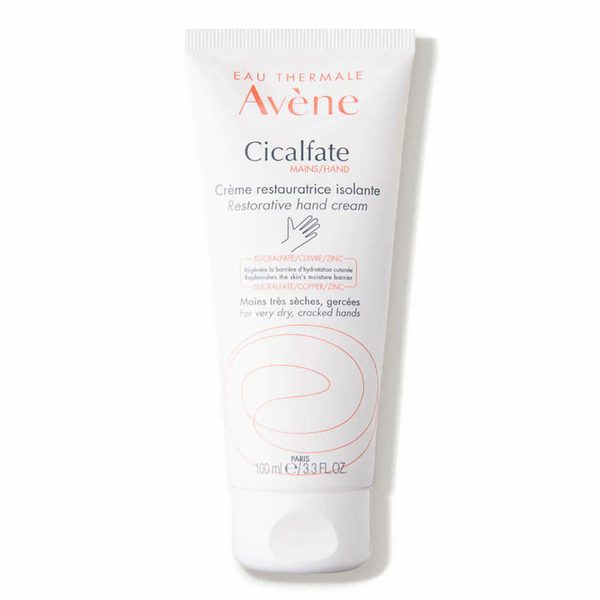
Reading the Label: Shea Butter, Glycerin, Urea and What to Avoid
Check the ingredient list, not the front-of-tube claims. Look for glycerin or urea near the top of the list for the humectant side, and shea butter, petrolatum or lanolin for the occlusive side. Urea, in particular, is worth looking for in a severe-dryness formula because, at higher concentrations, it also helps soften thickened or cracked skin, not just hydrate it.
A few things are worth avoiding or at least treating with caution. Added fragrance can irritate skin that’s already compromised by cracking, so a fragrance-free option is often the safer bet if your hands are in bad shape. Alcohol listed high on the ingredient list, usually denatured alcohol used for a quick-drying feel, works against you by evaporating and taking moisture with it. A long list of thickeners and fillers, with no humectant or occlusive ingredient near the top, signals a product built around texture and scent rather than function.
None of this requires an expensive cream. Affordable drugstore formulas often list glycerin, shea butter, or petrolatum as primary ingredients. The ingredient list is public information whether the cream costs a little or a lot, so reading it is the one habit that actually improves what you buy.
Related Article: Best Summer Moisturisers
Hand Cream, Lotion Or Balm: Match the Texture to How Dry Your Hands Are
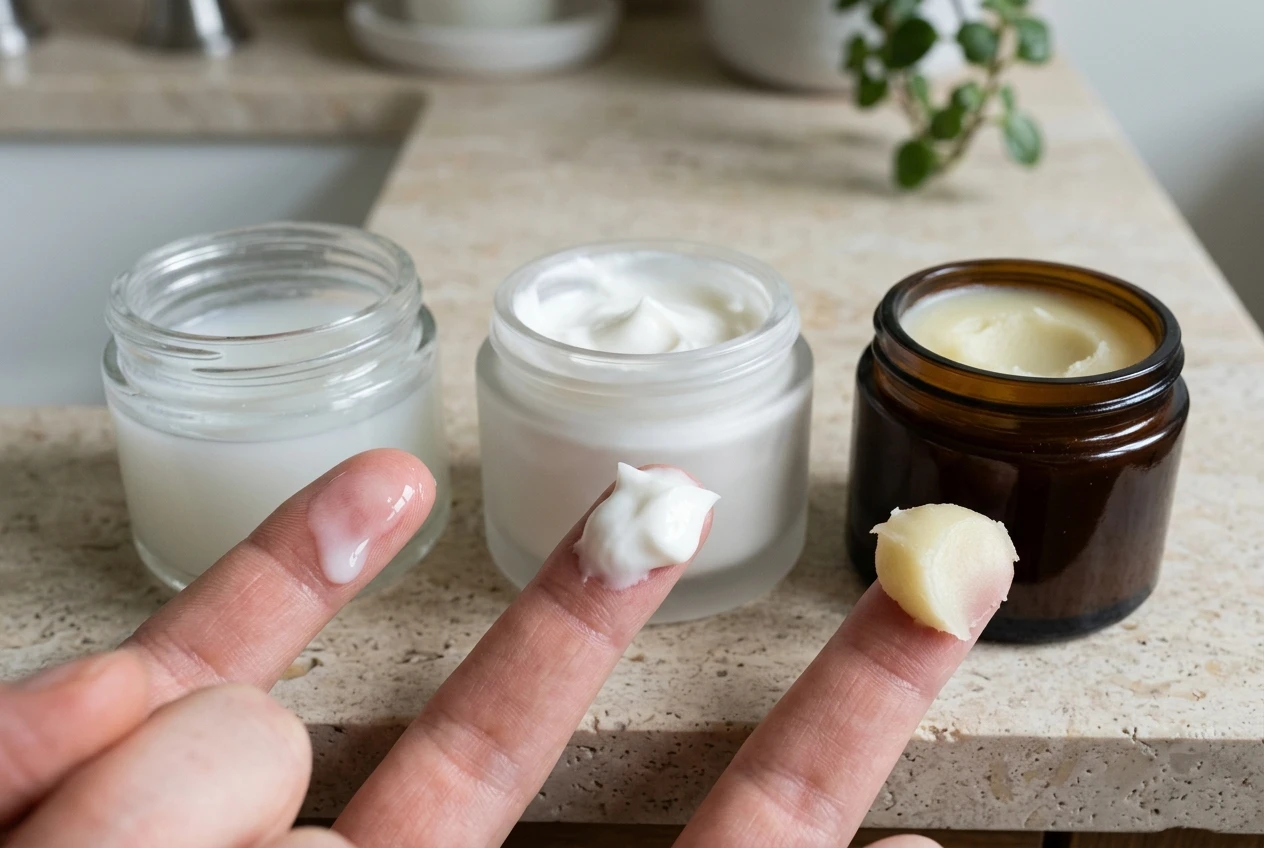
Texture tells you how concentrated the occlusive ingredients are, and that should match how damaged your skin actually is.
- Lotions are the thinnest and absorb fastest. They work for mild, everyday dryness but usually don’t carry enough occlusive content to protect hands through repeated washing or cold exposure.
- Creams sit in the middle, thicker than lotion, with a higher concentration of shea butter or similar ingredients. This is the right category for most winter hand dryness, including hands that are dry and a little rough but not cracked open.
- Balms and ointments are the thickest, often built around petrolatum or a high percentage of shea or cocoa butter. These are worth reaching for when skin is actually cracked, particularly overnight, since they stay on the skin longer and don’t need reapplying every hour.
If your hands go through repeated wet-and-dry cycles during the day, using a hand cream during working hours and a thicker balm overnight is a reasonable split. My hands are constantly exposed to water and chemicals through my work, so I use hand cream regularly whenever I can. I also think it’s worth finding a hand cream that helps care for your nails, too, as mine can become quite brittle when they’re constantly going in and out of water. I always apply a rich, nourishing hand cream before bed to give my skin and nails extra care overnight. One texture doesn’t have to cover every hour of the day.
Related Article: Skincare Gifts for Her
Theraplush Overnight Repair Treatment
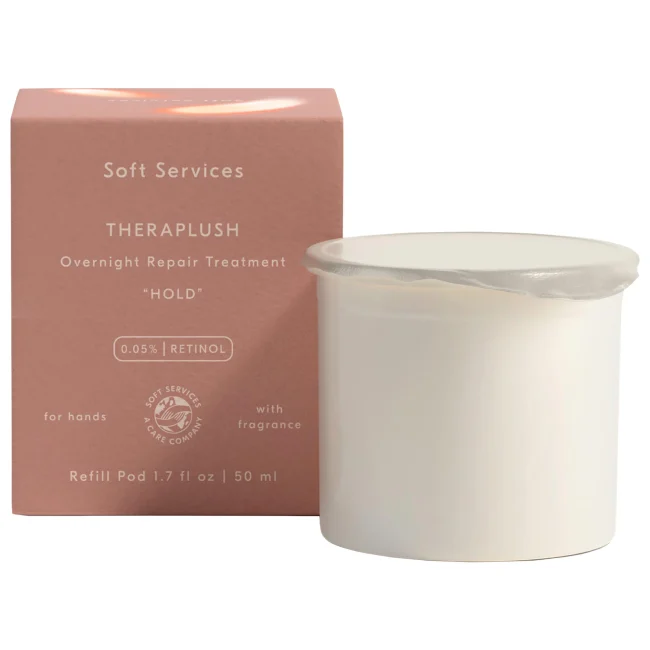
What Affordable Buys You at the Drugstore
Price and effectiveness don’t track together as closely as marketing suggests. Much of the premium pricing on hand creams comes from packaging, brand name, and added fragrance, not a more advanced formula. Many of the lower-priced tubs on a drugstore shelf list glycerin or urea alongside shea butter or petrolatum, which is exactly the combination you’re looking for regardless of what the tube costs.
Price matters less than concentration and consistency. A cheaper formula may list the same key ingredients but further down the list, meaning there’s less of them relative to water and filler. This doesn’t mean cheap products don’t work. It means it’s worth comparing a couple of options side by side at the ingredient level rather than assuming the higher price automatically means a better formula. For hands that take daily damage from water, cold air and frequent washing, which describes a lot of hairdressers’ hands through the winter months, a modestly priced cream with the right ingredients used consistently will do more than an expensive one used occasionally because you’re rationing it.
Applying Hand Cream So It Heals Overnight Instead of Sitting On Top
How you apply a cream changes how much of it actually helps. Applying to dry skin lets the cream sit on top without doing much. Applying it right after washing your hands, while your skin is still slightly damp, lets the humectant ingredients pull in that surface water before the occlusive layer seals it in.
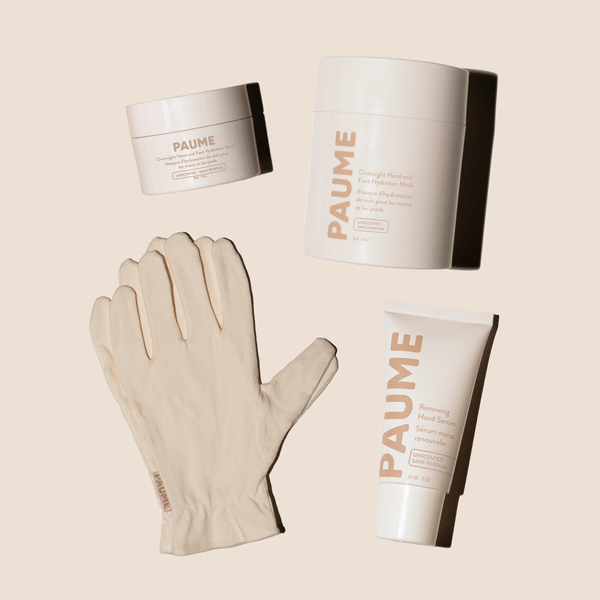
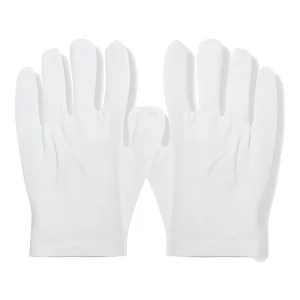
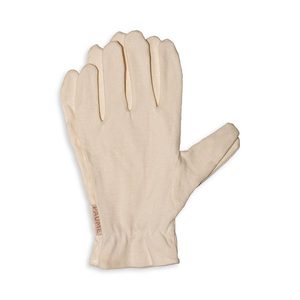
For hands that crack during the day from repeated exposure, reapplying a thinner cream after each handwashing is more useful than one heavy morning application. At night, apply a thicker balm generously, especially to knuckles and fingertips where cracking tends to start, so the occlusive ingredients have hours to work without being washed off or rubbed away. Cotton gloves worn over the cream overnight can help it stay in place and increase absorption, which is a reasonable option if cracking is bad enough that daytime cream alone isn’t keeping up.
How This Blog Was Created
Fragrances With Love started as a personal hobby — sharing my love of perfume, affordable finds, and fragrance trends. I didn’t start with a background in websites, marketing, or blogging.
I built this site by writing about something I genuinely enjoy. I use one platform to host my website, write my blog posts, and learn how to monetise my content step by step, all in one place.
If you enjoy writing and have e handsver thought about starting a blog around something you love, you can see the platform I used to create this site below.
How I Created Fragrances With Love
Signs Your Dry Hands Need More Than a Cream, and a Dermatologist Visit
Most winter dryness responds to consistent use of the right cream within a week or two. If it doesn’t, pay attention. Cracks that bleed, skin that splits in the same spot repeatedly, redness that spreads rather than staying at the crack site, or any sign of infection like swelling, warmth or pus are all reasons to see a dermatologist rather than keep switching creams.
Hands that stay chapped despite consistent, correct use of a humectant-and-occlusive combination may be dealing with something beyond ordinary winter dryness, such as contact dermatitis from a product used at work or a skin condition that needs prescription-strength treatment. For anyone whose hands are in water and cold air all day as part of their job, that distinction matters, because no amount of drugstore cream will fix a problem that isn’t simple dryness to begin with. A cream is the right first step. It isn’t the only one if the cracking doesn’t let up.
I still remember a colleague I worked with in the very first hair salon where I trained as a hairdresser. She suffered terribly from dermatitis, and I remember how sore and uncomfortable her hands could be. As hairdressers, our hands are in and out of water all day, with constant exposure to shampoos, colours and other chemicals. Sadly, she rarely wore gloves when doing chemical treatments, which wouldn’t have helped her already struggling skin. It’s something that has stayed with me over the years, because I know how much we rely on our hands in this profession. It’s so easy to take them for granted, but protecting them with suitable gloves and giving them a little extra care with hand cream can make a real difference in the long run.
Alongside choosing an affordable hand cream, it’s important to keep your skin moisturised and protect your hands from everyday irritants. You can read the NHS advice on moisturising dry skin for more information about choosing and using moisturiser
Conclusion: Keeping Your Hands Protected All Winter
A workable winter routine needs three things: a cream with a humectant and an occlusive near the top of the label, applied after every handwash, and a thicker balm at night. Choose fragrance-free if your skin is cracked, and compare ingredient lists before you compare prices.
If your hands face the same mix of water and cold that mine do, which texture do you reach for first: a cream for the day or a balm for the night? Start with whichever gap in your routine is bigger, then adjust as your hands respond.
Sign up to my newsletter for more beauty tips, affordable skincare finds and little ways to look after yourself, whatever the season.