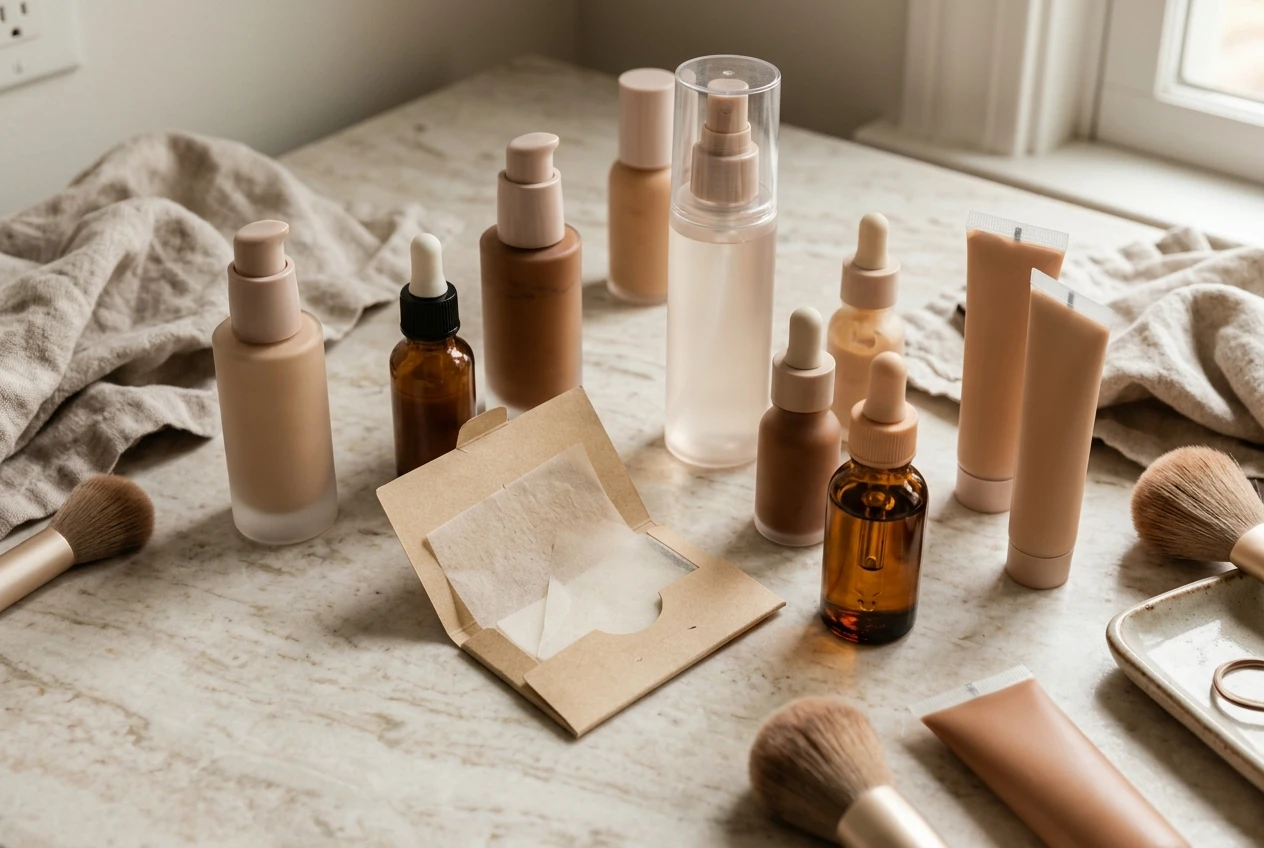
Why Foundation Looks Cakey on Mature Skin, and How to Fix It
As a woman in my 50s, I’ve often struggled with foundation settling into the delicate skin just under my eyes, and I know how frustrating it can be. Even though I use aloe vera eye masks and facial masks to keep my skin hydrated, my foundation still settles into fine lines and can look flaky around my lower eyelids. It can be disheartening when you make an effort to look after your skin but still struggle to get that smooth, fresh-looking finish you want. I also tend to avoid using powder on my face because I worry it could emphasise dry patches and fine lines, making the problem even more noticeable. It’s something I’m still trying to solve, and I know I’m not the only mature woman who experiences this.

This article is part of a fragrance blog I built myself — I’ll explain how at the end if you’re curious.
Foundation that looks smooth in the mirror at 8 a.m. can look thick and settled by noon, sitting in lines around the mouth, gathering at the sides of the nose, and turning patchy across the cheeks. This is one of the most common complaints among women with mature or dry skin, and it rarely comes down to buying the wrong brand. Most of the time, cakeyness results from three separate problems working together: skin texture that needs more prep than it used to, a formula never designed for drier, thinner skin, and an application habit that adds more product than the skin can hold. Fixing it means figuring out which of the three is driving the problem on your own face, then adjusting that one thing rather than switching foundations again and hoping for the best.
The Real Reason Foundation Settles into Fine Lines and Creases
Foundation does not create fine lines. It reveals them. Any line, crease, or area of rough texture becomes a shallow trench, and liquid or powder product has to go somewhere, so it pools into that lower ground while sitting thinner on the raised skin around it. The result is a visible line of pigment that looks darker or more textured than the surrounding skin, even when the foundation itself is sheer.
This happens more on mature skin for a simple reason: there are more creases for product to settle into, and the skin on either side of those creases has usually lost some of the plumpness that used to keep the surface level. Once you understand that cakeyness is a texture problem showing up as a makeup problem, the fixes make more sense. The goal isn’t a different foundation so much as a smoother surface for it to sit on, and an application method that doesn’t force product into the lines in the first place.
How Collagen Loss and Dryness Change the Way Makeup Sits On Skin
Skin in your 40s, 50s, and beyond has less collagen and elastin than it did a decade earlier, which means less structural support just under the surface. Skin also tends to hold less water, since oil production slows and the outer barrier doesn’t retain moisture as efficiently. Both changes affect how makeup behaves on top.
Thinner, drier skin has a rougher microtexture even when it looks smooth to the eye. Foundation grips onto that texture unevenly, clinging more heavily to dry or flaky patches and thinning out over smoother areas. As the day goes on, moisture loss continues from underneath, and the skin can pull slightly tighter, deepening existing lines and making any foundation sitting in them more visible. This is why a foundation that looked fine at 9 a.m. can look heavier and more settled by early afternoon: the skin changed underneath it, not the product on top.

Related Article: Skin Care Routine for Men
Foundation Formulas That Make Cakeyness Worse On Mature Skin
Some formulas fight against dry, mature skin rather than working with it. The most common offenders include:
- Full-coverage, long-wear foundations built with high levels of film-forming agents. These create a flexible but somewhat rigid layer on the skin, and on skin that is already losing elasticity, that layer can crack or gather into lines rather than moving with it.
- Mattifying formulas are designed to absorb oil. They often contain powders or silica that soak up surface moisture as well, which is the opposite of what dry skin needs, and the resulting dryness shows up as flaking or visible texture.
- Heavy, opaque powder foundations sit on top of the skin rather than blending into it. On smooth, oilier skin, this can look fine. On mature skin with visible texture, powder foundation tends to collect in the low points and highlight the high points, which is exactly what reads as cakey.
None of these formulas is badly made. They are built for a different skin type, usually oilier or younger skin that needs oil control and long wear more than it needs hydration. On mature, drier skin, the formula’s purpose works against the texture it sits on.
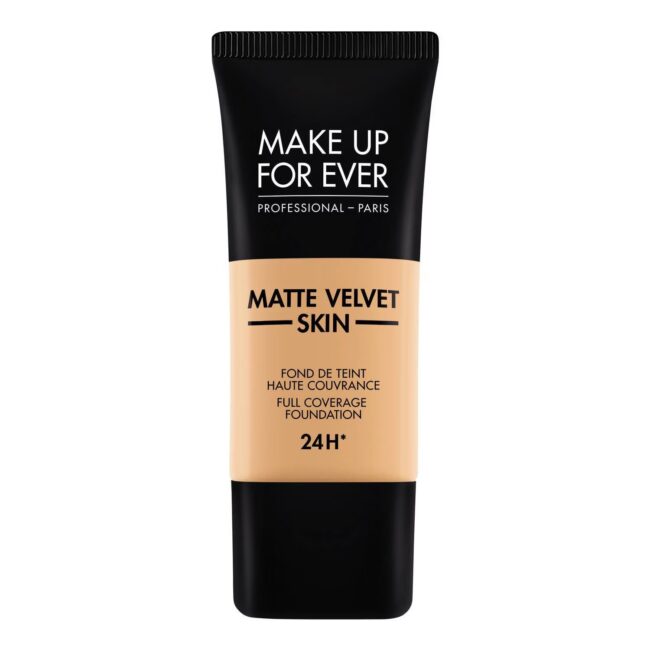
Sephora UK Matt Velvet Skin Foundation
Application Tools and Layering Habits That Cause Buildup
Even a well-matched formula can look cakey if you apply it the wrong way. A few habits are especially common:
- Using too much product at once. It is an instinct to add more foundation to cover redness, dullness, or uneven tone, but more product means more material sitting in the creases, not better coverage.
- Layering foundation to fix imperfect blending. If a patch looks uneven, adding a second layer on top rarely fixes it and usually makes the texture underneath more visible.
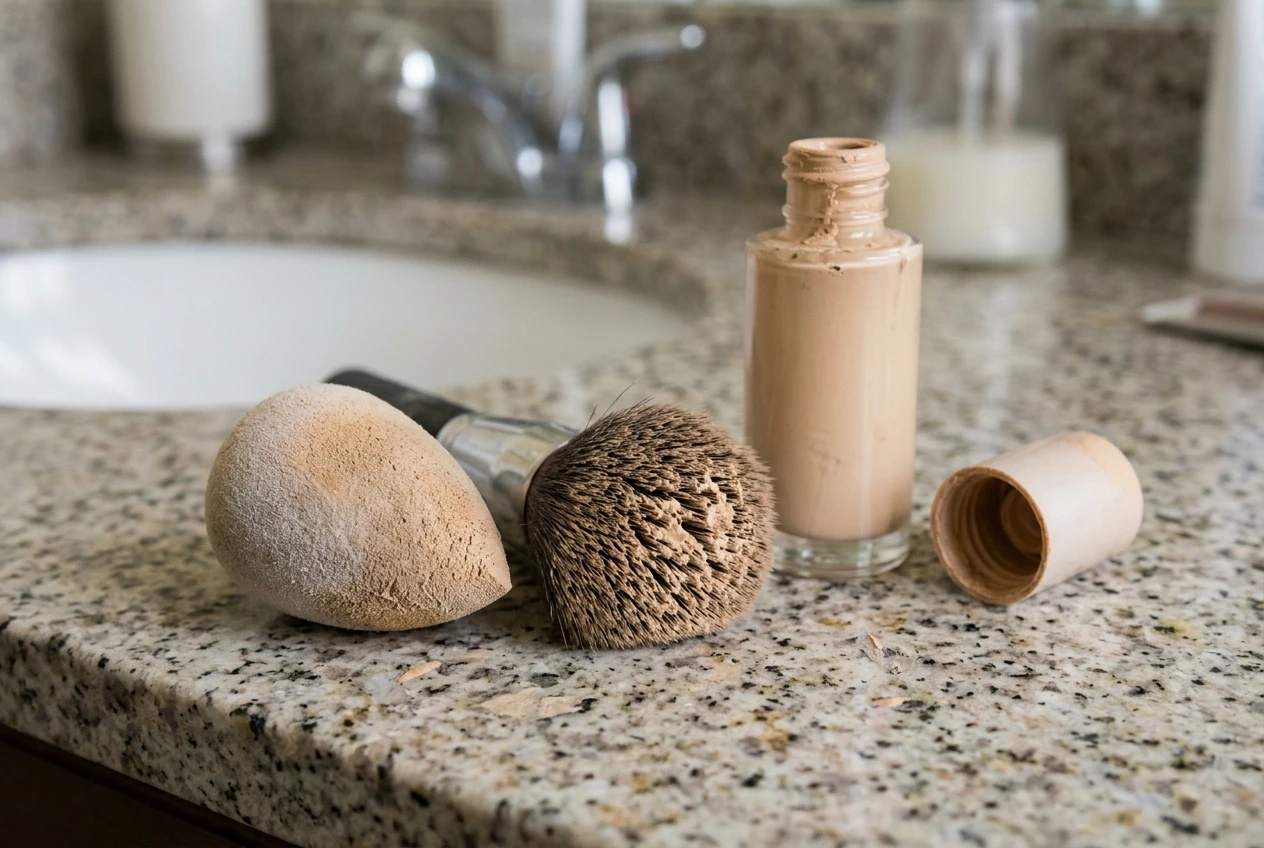
- Dry brushes and worn-out sponges. A dry brush drags product across the skin rather than pressing it in, which can push foundation into fine lines instead of around them. A sponge that isn’t dampened properly absorbs less product at first, which often leads to using more foundation than needed.
- Setting powder applied heavily or all over the face. Powder helps control shine in specific zones, but a full, heavy dusting across dry areas adds another layer of dry material on top of a formula that may already be sitting imperfectly.
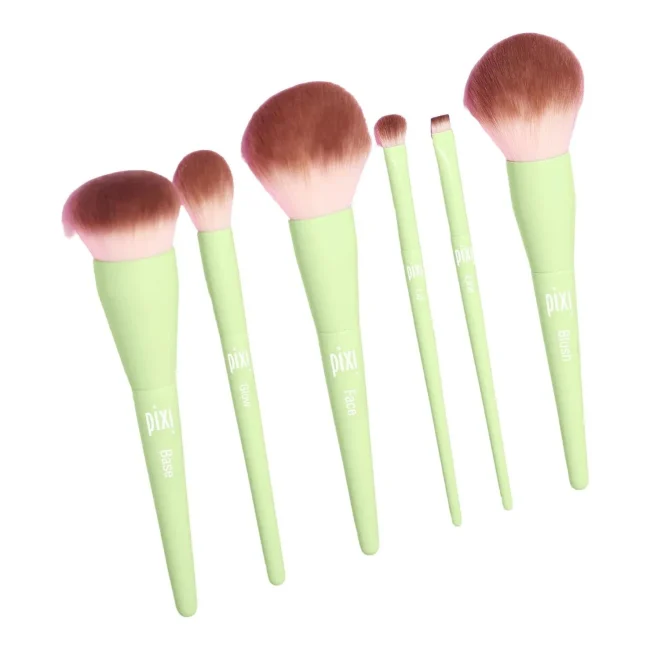
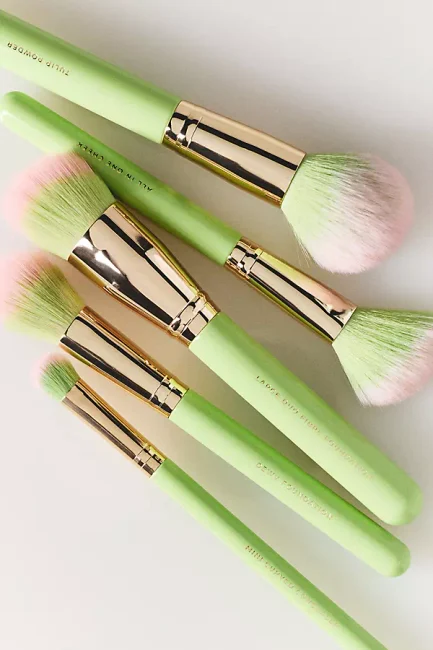
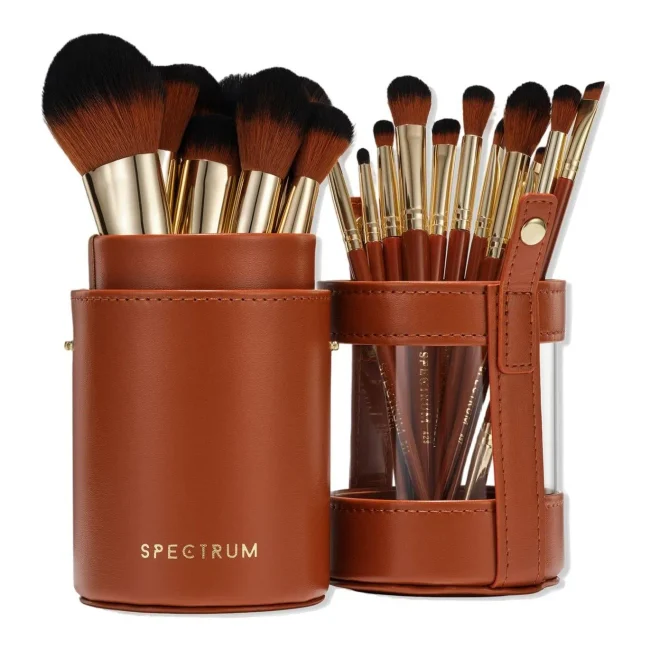
ShopMy for our recommended collection of makeup brushes.

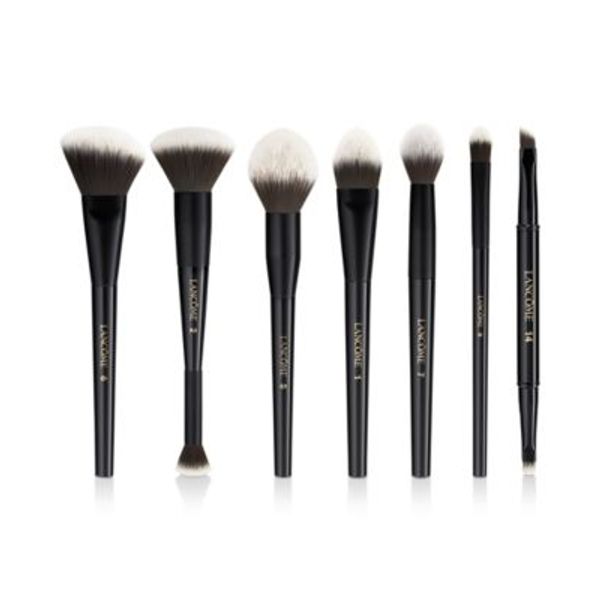
The common thread is quantity and pressure. Mature skin generally needs less foundation, applied with a lighter hand, than it did a decade or two earlier, even if the coverage goal hasn’t changed.
Skin Prep Steps That Stop Foundation From Looking Heavy
Most of the fix happens before foundation ever touches the skin. A few adjustments make a real difference:
Hydrate in layers, not in one heavy step. A lightweight hydrating serum followed by a moisturiser suited to dry skin gives the surface more water content than a single rich cream applied on its own. Give the moisturiser a few minutes to absorb before applying makeup, since foundation applied over a wet or still-absorbing layer tends to slide and pill.
Address flaking before applying anything. Any dry or flaky patches will show through foundation no matter how good the formula is. Gentle exfoliation a day or two before makeup, rather than on the same day, helps smooth texture without leaving skin sensitive or raw.
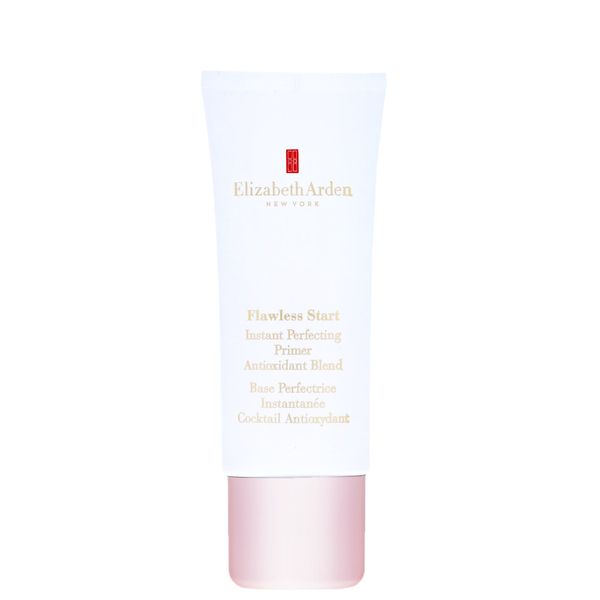
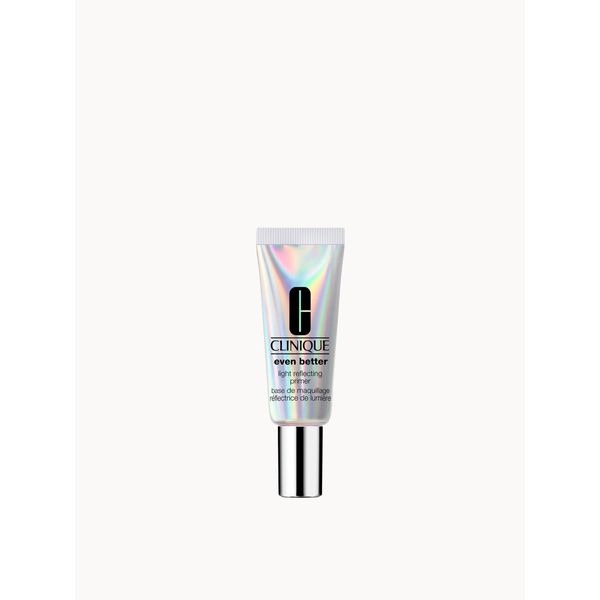
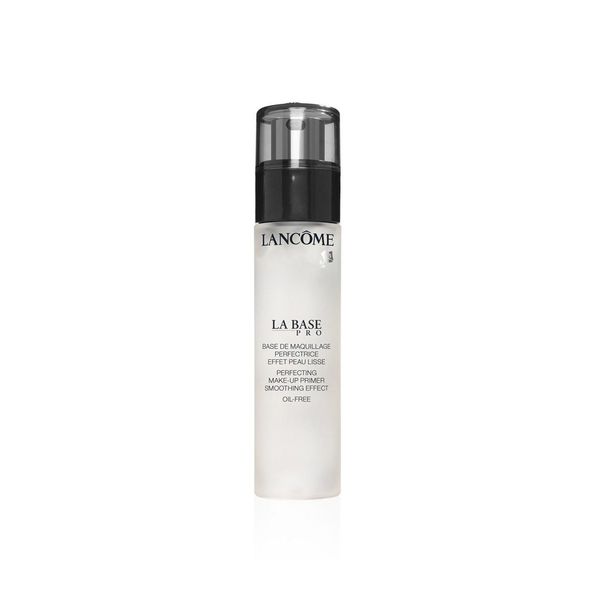
If you use a primer, choose one suited to dry skin. Hydrating or dewy primers can help foundation glide rather than grip onto rough patches. Mattifying or pore-blurring primers tend to work against dry, mature skin the same way mattifying foundations do.
Let each step settle before adding the next. Rushing from moisturiser to primer to foundation without a pause between each one is one of the most overlooked causes of product sitting heavily on the skin, since each layer needs a moment to set before the next goes on top. This is possibly my worst habit. I’m always in a rush and don’t have time to let each product settle between layers.
Primer for mature skin available from ShopMy
Choosing a Foundation and Finish Built for Mature Skin
Once the skin is properly prepped, the formula matters more than the brand name on the bottle. A few qualities to look for:
- A dewy or satin finish rather than full matte. These finishes reflect light in a way that smooths the appearance of fine lines, while matte finishes absorb light and can make texture look flatter and more obvious.
- Medium, buildable coverage rather than full coverage from the first layer. Starting lighter and adding small amounts only where needed avoids the buildup that causes cakeyness in the first place.
- Hydrating ingredients in the formula itself, not just in the skincare underneath. Foundations with hyaluronic acid, glycerin, or similar humectants tend to sit better on dry skin throughout the day.
- Choose a texture that feels like a fluid or cream, not a thick paste. Thinner textures spread more evenly over textured skin and are less likely to pool into lines during application.
Test a new foundation on the jaw or lower cheek rather than the back of your hand, since your hand has different texture and oil levels than facial skin and will not show how a product behaves on fine lines or dry patches.
How This Blog Was Created
Fragrances With Love started as a personal hobby — sharing my love of perfume, affordable finds, and fragrance trends. I didn’t start with a background in websites, marketing, or blogging.
I built this site by writing about something I genuinely enjoy. I use one platform to host my website, write my blog posts, and learn how to monetise my content step by step, all in one place.
If you enjoy writing and have ever thought about starting a blog around something you love, you can see the platform I used to create this site below.
How I Created Fragrances With Love
Quick Fixes for When Foundation Already Looks Cakey
Sometimes the issue shows up mid-day rather than at application, and a few corrections can help without starting over:
- A damp sponge pressed gently over settled areas can lift excess product out of creases without removing the coverage entirely.
- A small amount of facial oil or hydrating balm, pressed lightly over dry patches, can soften a cakey texture and restore some movement to the skin.
- A setting spray with a dewy finish, misted from a short distance, can relax a foundation that has dried down too matte or too flat.
- Blotting rather than reapplying powder in shiny areas avoids adding another dry layer on top of skin that may already be struggling with dryness elsewhere.
Cakeyness on mature skin is almost always fixable once you know which of the three culprits- texture, formula, or technique- is actually responsible. Working through them in that order, starting with hydration and prep, then formula, then application habits, tends to solve the problem faster than replacing the foundation again on its own.
Conclusion
The next time foundation starts creasing by lunchtime, resist the urge to blame the bottle outright. Run through prep, formula, and application one at a time, and you’ll usually spot what’s off within a day or two of testing. A single swap, a richer primer, a dewier finish, half a pump less product, is often all it takes to get back to the smooth, settled look you had at 8 a.m., and it tends to hold.
✨ Read my latest beauty tips and discover how to get more from your foundation!
Sign up for our newsletter to receive more beauty advice, skincare tips and helpful articles straight to your inbox. 💕